)
)

Christmas 2025: Supermarkets set the festive agenda with innovation, indulgence and insight
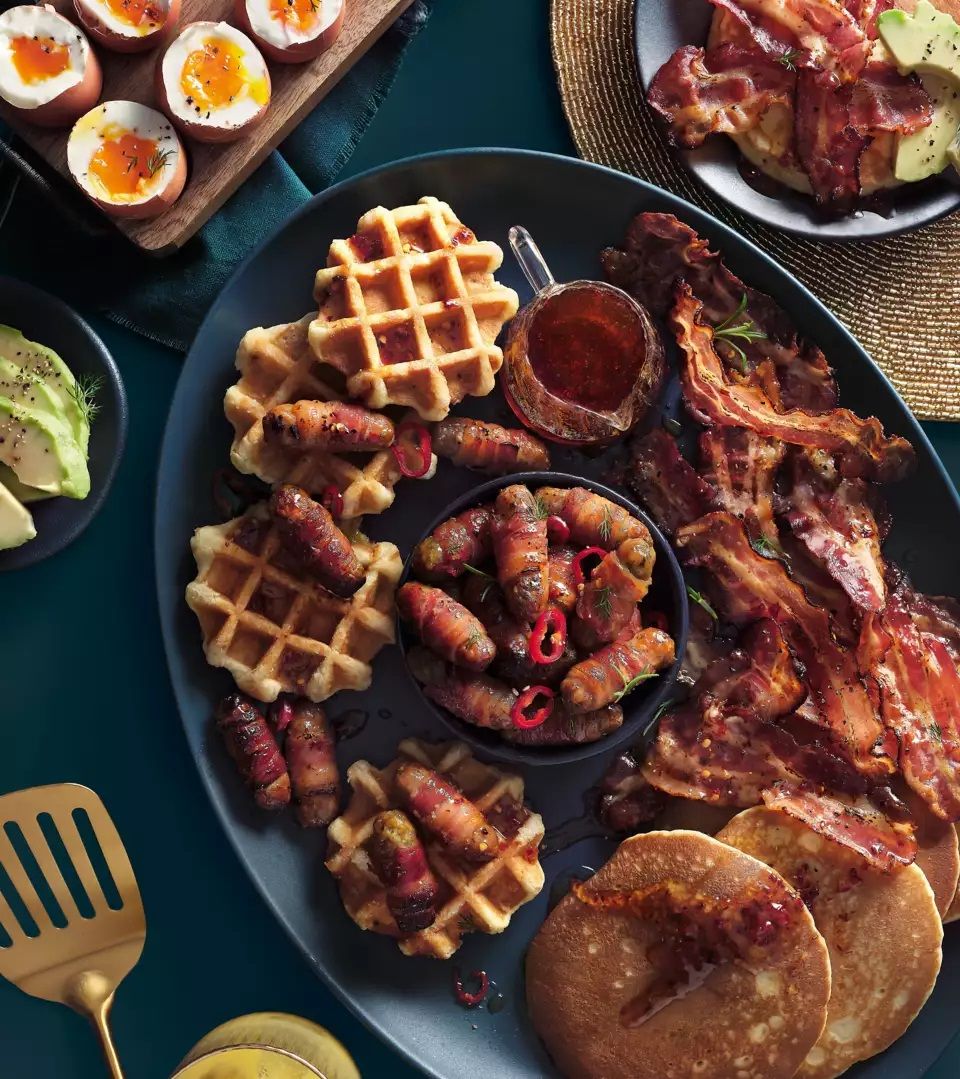
As the festive season approaches, the UK’s major supermarkets have unveiled Christmas ranges that are bigger, bolder and more strategic than ever before. While these collections deliver plenty of sparkle for consumers, they also offer valuable insight for food and drink professionals looking to anticipate market direction, flavour trends and consumer priorities for 2026.
This year’s launches show retailers placing equal emphasis on indulgence and convenience, with a growing focus on theatrical presentation, experiential products and value-driven premiumisation. From Aldi’s elevated Wagyu joints to Waitrose’s artisan desserts and Asda’s vegan expansion, each retailer is interpreting what “festive” means in a climate where consumers want both comfort and novelty, all at a price that feels justifiable.
The shape of Christmas in retail
Supermarkets have significantly expanded their seasonal ranges in 2025. Asda has introduced more than 500 festive lines, including its largest-ever selection of plant-based products, with 37 vegan and vegetarian dishes on offer. The retailer is embracing both nostalgia and fun with products such as a 1960s-style fondue kit, a Gingerbread Man chocolate mousse and a “Turkey with All the Trimmings” boxed meal designed for easy entertaining.
Waitrose has unveiled 665 products this year, 267 of which are new. Its range showcases refined, culinary-led innovation, from a No.1 Golden Mince Pie infused with Limoncello to a Stuffed Scottish Salmon with Prawns and Salsa Verde. The retailer continues to build on its reputation for craftsmanship with dramatic centrepieces such as turkey baubles wrapped in smoked bacon and desserts like pistachio meringata and Sicilian lemon délice, all designed to appeal to customers seeking restaurant-quality food at home.
Tesco has placed strong emphasis on accessibility and breadth, adding more than 250 new products to its Christmas range and expanding its frozen and food-to-order offerings. The aim is to make entertaining easier for households balancing cost, time and social expectations.
At the value end, Aldi’s Christmas brochure highlights an impressive level of sophistication. Its range includes a slow-cooked Wagyu shin, a lamb guard of honour and a salmon Wellington, alongside creative desserts such as the gold-dusted “Hazelnut Cracker”. The retailer continues to lead on “affordable luxury” by pairing premium British sourcing with sharp pricing.
Sainsbury’s 2025 line-up focuses on balance between tradition and playfulness. Its Taste the Difference Discovery range introduces a 35-day dry-aged Aberdeen Angus rump joint with tarragon and pepper cream sauce and an array of innovative desserts such as the Irish Coffee “Tira-Merry-Su” and the chocolate “Sleigh de Noel”. Sainsbury’s is also leaning into flavour storytelling with drinks that reflect current trends, including a pistachio and chocolate Irish cream liqueur and a rhubarb, raspberry and clementine Bucks Fizz.
M&S has continued to strengthen its reputation as a leader in festive indulgence with a line-up that blends nostalgia, creativity and premium ingredients. The retailer’s 2025 range includes a Peanut Butter and Jelly Munch that taps into the sweet-and-salty snacking trend, a Peppermint Bark inspired by American holiday traditions and a Chocolate and Cherry Irish Cream Liqueur that reimagines a customer favourite. Its Cherry and Single Origin Chocolate Panettone and new Mulled Rosé capture the season’s focus on flavour exploration and sensory appeal, while its Sticky Fig and Hot Honey Chutney reflects the growing consumer appetite for bold, layered condiments. M&S continues to set the bar for retail theatre and innovation, balancing mass appeal with a deep understanding of what drives food conversation online.
The trends behind the tinsel
Taken together, this year’s supermarket launches demonstrate how fast the Christmas category is evolving to meet new shopper behaviours. The first clear trend is the rise of elevated convenience. The days of home-cooked everything are long gone, replaced by “meal solution” thinking that allows consumers to serve impressive dishes with minimal effort. Tesco’s food-to-order offer, Aldi’s complete Christmas dinner boxes and Asda’s bundled mains show how retailers are catering to a generation that wants to host without the hassle.
Visual and experiential appeal is also taking centre stage. Theatrical centrepieces such as turkey baubles, lamb guards of honour and statement desserts are designed for social sharing, both at the table and online. These products meet the consumer’s desire for celebration and spectacle while giving supermarkets valuable storytelling content. For suppliers, this focus creates both opportunity and complexity, as intricate designs, decorative packaging and extended shelf stability become essential requirements.
Plant-based and flexitarian options continue to expand across all major retailers. What is notable this year is the shift away from tokenism toward genuine parity in presentation and quality. Vegan no-beef wellingtons, vegetable parcels and truffle-flavoured stuffing alternatives now sit confidently alongside meat options, reflecting the broader consumer move toward inclusive dining occasions where everyone at the table feels catered for.
Flavour trends in the 2025 Christmas lines show a clear preference for layered richness and international influence. Pistachio, caramelised nuts, truffle and clementine appear across categories, while nostalgic flavours such as brandy butter, gingerbread and praline continue to anchor tradition. Retailers are leaning on recognisable comfort profiles but are elevating them through indulgent textures, premium ingredients and clever pairing.
There is also a discernible rise in snackification. “Post-feast” eating is becoming an important part of the Christmas sales window, with more party bites, sweet tins and premium nibbles targeting the days between Christmas and New Year. This shift opens new avenues for suppliers of ambient snacks, small plates and mini desserts, as consumers embrace grazing and informal entertaining.
Sustainability remains a constant backdrop. Retailers continue to highlight British sourcing, recyclable packaging and responsible farming credentials. Aldi and Waitrose, in particular, have emphasised provenance and traceability in their messaging. The move toward sustainable indulgence is subtle but powerful: consumers may not sacrifice flavour, but they increasingly expect products to carry ethical weight.
What it means for the industry
For food and drink professionals, the 2025 Christmas ranges illustrate how category expectations are broadening. Product development is no longer just about flavour; it requires system-level thinking that considers packaging efficiency, supply resilience and cross-category cohesion. With meal kits and bundled offers on the rise, manufacturers must ensure that multiple components work together operationally and visually.
Differentiation through sensory impact and convenience remains key. Retail buyers are seeking suppliers who can deliver novelty that feels familiar and indulgence that feels justified. The most successful products will be those that can surprise without alienating, offering new experiences that still resonate emotionally.
Storytelling and provenance will continue to shape premium positioning. The retailers that communicate clearly about origin, craftsmanship and sustainability are the ones capturing consumer trust. For producers, this means being able to verify sourcing claims and provide transparent data on welfare, carbon and waste reduction.
Operational agility will also determine success. Rising input costs and fluctuating supply chains require manufacturers to build flexibility into their planning, whether through multi-sourcing, longer shelf-life formulations or adaptable packaging formats suitable for online and in-store distribution.
Christmas 2025 shows a market in motion. Supermarkets are pushing boundaries in design and flavour while still responding to economic reality and consumer caution. The festive table is becoming a stage for both innovation and reassurance, where new ideas coexist with old comforts.
For the food and drink sector, the lesson is clear. Retailers are not simply chasing novelty; they are curating complete experiences that blend convenience, indulgence and conscience. Businesses that can align creativity with commercial and operational discipline will be best placed to thrive in this evolving festive marketplace.
Subscribe to the IFE newsletter to stay up to date with all the latest industry news, insights, analysis and interviews.
)
)