)
)

IFE discusses how advent calendars have become one of the most commercially significant seasonal formats in food and drink, and why brands planning to launch for Christmas 2027 need to start preparing now. With buyers already looking ahead and the selling window increasingly compressed, early planning, clear route-to-market strategies and operational readiness are critical to success in this fast-moving category.
Advent calendars have become one of the most commercially powerful seasonal formats in food and drink, evolving far beyond chocolate into premium, experiential products that drive discovery, gifting and brand loyalty. From confectionery and snacks to drinks, condiments and wellness products, advent calendars now represent a serious commercial opportunity, but one that demands long-term planning.
With buyers already starting to look ahead to Christmas 2027, brands considering adding an advent calendar to their product line-up need to be thinking now about product design, production capacity and route to market.
Why buyers are looking early
Retailers and foodservice buyers increasingly plan seasonal ranges far in advance. Advent calendars, in particular, require long lead times due to their complex formats, multiple SKUs and packaging requirements. Buyers want confidence that suppliers can deliver consistent quality, reliable volumes and a compelling consumer proposition — all within a very narrow selling window.
At IFE, buyers across retail, wholesale, import/export and hospitality are already starting early conversations about festive formats, limited editions and premium gifting products for future seasons. For brands, that makes 2025–26 a critical window to refine concepts, test demand and secure listings for 2027.

Planning for a short but intense selling season
One of the defining characteristics of advent calendars is how concentrated the selling period is. Success depends on having every element in place well before products reach shelves or go live online.
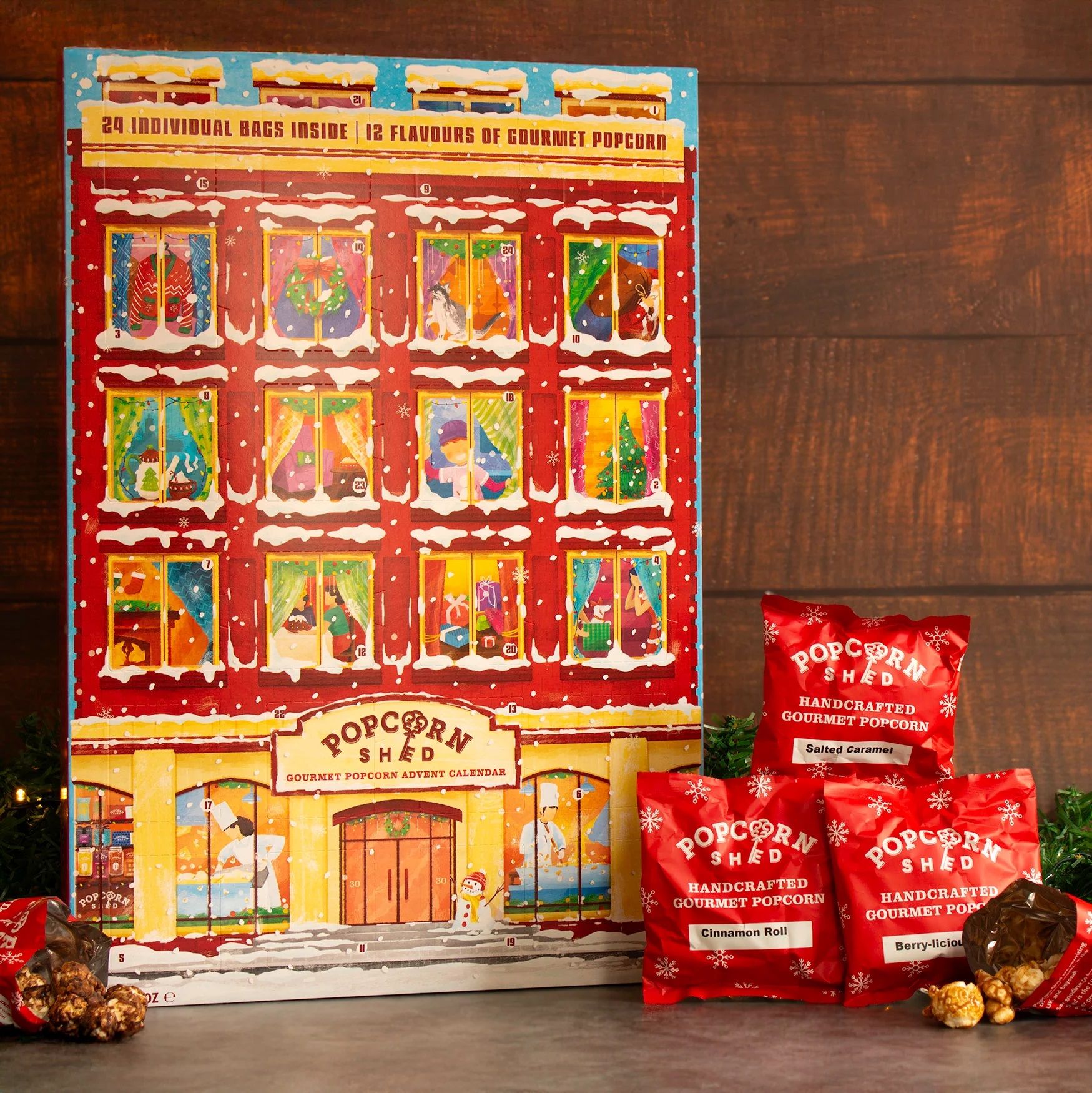
As Sam Feller, Co-Founder of Popcorn Shed, explains: “The number one piece of advice I’d give is to prepare, prepare, prepare. The advent calendar selling season is short: we start shipping wholesale orders in August and the D2C selling season finishes at the end of November, with D2C sales building throughout the month. Ensure you have all your marketing copy and images done well in advance, prepare as accurate sales forecasts as you can, and ensure the stock is in the right place at the right time to maximise the sales opportunity.”
For buyers, this preparation signals professionalism and reduces risk. For brands, it can be the difference between selling through at full margin and being left with costly excess stock.
Brands need to be aware of the risks and the seasonal stresses that can come with an advent calendar launch. Kathryn Bricken, Founder of Doughlicious, warns: "The idea of an advent calendar is epic and exciting but the manufacturing and logistics were a nightmare. Twelve different flavours manufactured separately and then arranged behind specific doors, not an easy task. The team was great at pulling it off but beyond stressful."
Advent calendars are not impulse purchases
)
)