)
)

Feeding the Future? We need to start with people
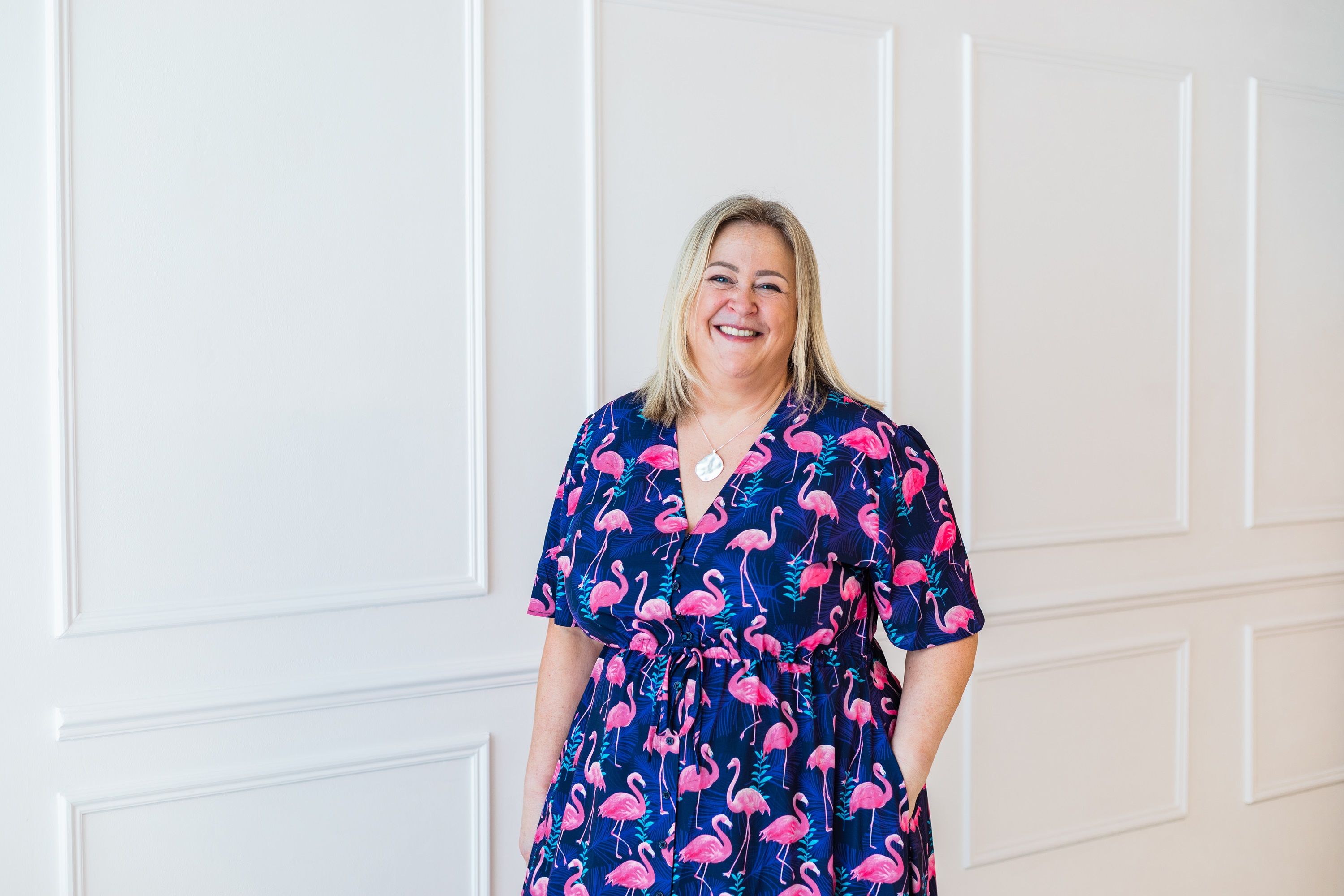
Amy Wilkinson, Founder of Fearless Foodies, discusses IFE's theme for 2026: Feeding the Future.
Everyone's asking more of food brands right now.
Healthier products. Fewer ultra-processed ingredients. Clearer labelling. More sustainability. And still good value. That tension is real and honestly, it's not going away anytime soon.
But this isn't just a product reformulation problem. It's a people problem.
Every decision about cost, nutrition, sourcing or packaging comes down to a team somewhere trying to balance commercial pressure with health outcomes, compliance headaches and the reality of what's actually possible on the factory floor. Feeding the future depends on whether we've got the right capability inside businesses to hold all of that at once.
And that story starts long before someone lands in a Technical or NPD team.
National polling of over 2,000 young people and parents found that only 48% of young people say they receive dedicated curriculum time for food education at school. By the time they reach 17–18, that drops to just 32% (Public First, Hungry for Change: What Parents and Pupils Want from Food Education, 2025). At the same time, only 22% of parents believe children nationally can cook and prepare meals well from fresh ingredients.
We talk endlessly about food trends. We talk far less about food literacy.
If young people aren't consistently taught how food affects their bodies, how ingredients work, how to cook from scratch, or how the food system actually operates - it's harder to expect confident, informed choices later on. Especially when budgets are tight and convenience is everywhere.
But there's a bigger issue underneath all of this.
Food education isn't just inconsistent, it's unequal. The same research found that 70% of independent school pupils report receiving dedicated food education, compared with around 45% in state schools. And formal progression routes have narrowed too, with the removal of A-levels in Food Technology and Food and Nutrition limiting pathways into specialist food careers.
So we've built a system where exposure to food education drops off sharply after age 14, specialist routes are shrinking, and many young people simply don't see food and drink as an ambitious or exciting place to build a career.
Then we wonder why attracting talent is so hard.
Food and drink manufacturing employs around 439,000 people across Great Britain — the largest manufacturing sector in the country. Vacancy rates reached 3.9% in early 2025, above the wider UK average (Food and Drink Federation, State of Industry Report, 2025), with labour shortages constantly a topic top of industry discussions.
And the people who do make it into the industry? They face intense pace, tight margins and difficult environments. Without strong leadership, commercial awareness and the ability to build strong cross functional teams, that pressure turns quickly into burnout and high staff turnover.
We're asking this industry to deliver healthier, more sustainable, more affordable food while drawing from a constrained and uneven pipeline, in environments that aren't always built for people to thrive long-term.
Feeding the future isn't just about what ends up on shelves.
It's about whether we're equipping people early enough, showing them that food is a genuinely credible and exciting career, and then building workplaces where they actually want to stay.
Innovation matters. Reformulation matters. Cost absolutely matters.
But the reality is - none of it happens without skilled, confident people behind it.
If we want to feed the future well, we have to invest in them first.
Amy will be moderating the panel 'Powering progress: Supporting women in food leadership' at IFE 2026 on 31 March with panellists Ross Dennison, Senior Commercial and Technical Food industry leader at Greencore, and Tracy Southwell, Managing Director of March Foods.
)
)