)
)

Five food & drink trends that defined 2025
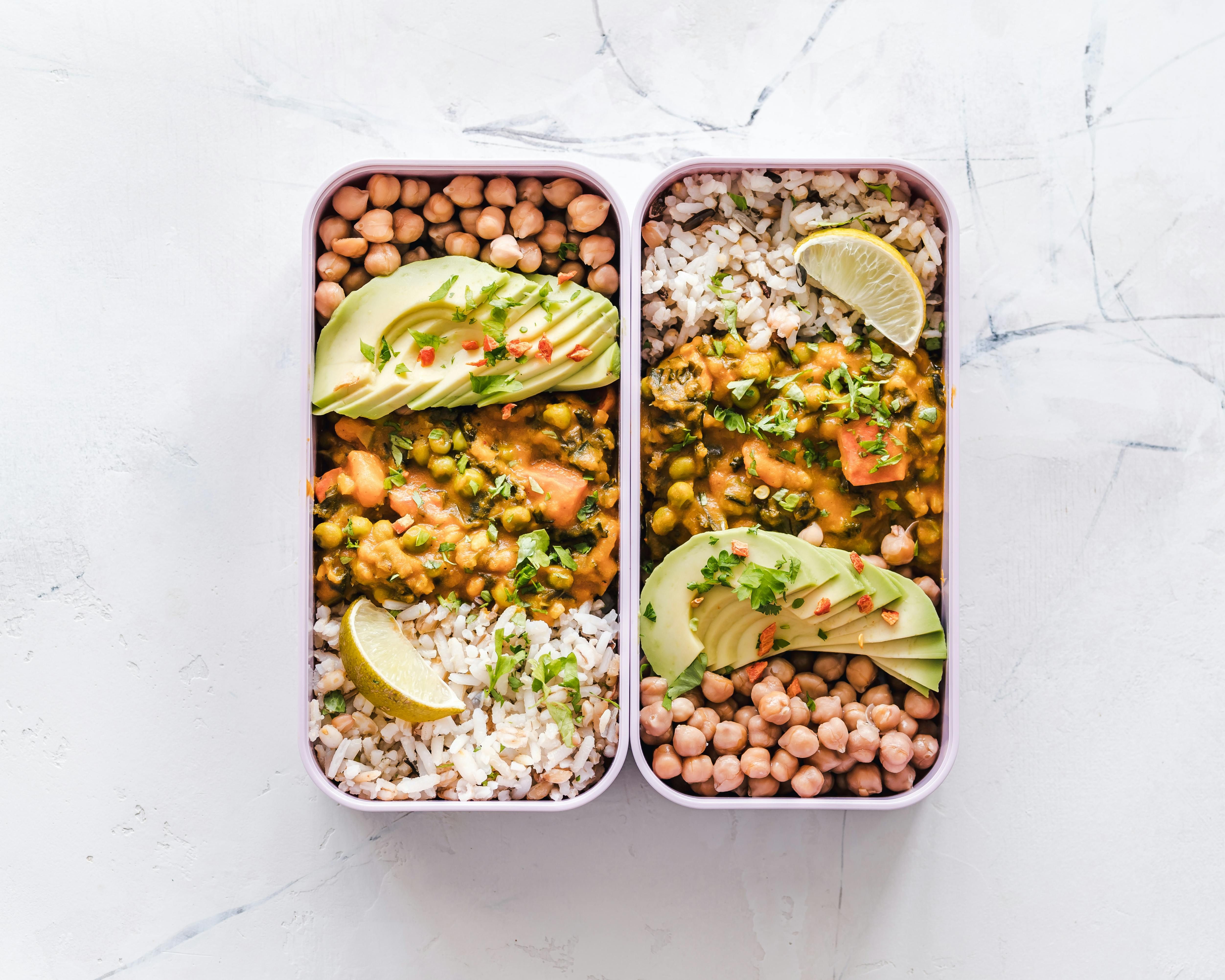
As 2025 draws to a close, the food and drink industry finds itself in a period of fast-paced change. Consumers are more health-conscious, more experimental and more demanding than ever, and the result is a market where new products rise quickly and buying habits shift almost overnight. From protein-rich convenience to functional beverages and comfort-first meal solutions, this year has shaped a new landscape for retailers, producers and brands.
Here are five of the biggest trends that influenced the sector in 2025, and the types of products that captured shopper attention.
1. Protein takes centre stage
Protein’s dominance has been one of the clearest shifts of the year. What once lived largely within sports nutrition has moved firmly into everyday eating, appearing in breakfast goods, snacks, dairy, desserts and even indulgent treats. High-protein yoghurts and puddings continued to post strong numbers, while ready-to-drink protein beverages, particularly those with reduced sugar and cleaner labels, gained traction.
Even traditional ingredients saw a resurgence thanks to their natural protein credentials. Cottage cheese, for example, unexpectedly became a social-media favourite and helped drive new product formats such as cottage-cheese-based dips and spreads. The common thread across all categories was consumer interest in foods that support fullness, energy and overall wellness without feeling clinical or restrictive.
2. Smaller portions and “smarter calories”: the GLP-1 effect
The rise of GLP-1 medications reshaped not only how some consumers eat but also the kinds of products they seek out. With many people gravitating towards smaller meals and looking for more efficient nutrition, brands leaned into portion-controlled formats and products that deliver more functional value per bite.
Mini snacks, two-bite bars and compact confectionery gained visibility on shelves. In drinks, we saw a shift toward formulations combining hydration, protein, fibre or energy-supporting ingredients in a single product. The movement was particularly notable in snacking, where shoppers increasingly favoured nutrient density, portability and clear benefit messaging over large pack sizes or high-calorie treats.
3. Beans, pulses and legumes step into the spotlight
If 2025 had a hero ingredient, it was the humble bean. Rising interest in fibre, plant-forward eating and affordable protein created the perfect moment for beans and pulses to shine. Shoppers embraced chickpeas, lentils, butter beans and borlotti both for their versatility and their ability to form the base of filling, nutritious meals at a low cost.
This translated into strong performance across multiple categories: premium jarred beans, bean-based ready meals, and legume-led soups and stews all saw growing demand. Snacks followed suit, with chickpea and lentil crisps outperforming many standard snack formats. Social media also played a role, encouraging experimentation with bean-based dishes and making what was once a store-cupboard staple feel modern, wholesome and aspirational.
4. Functional drinks dominate the chiller
Beverages were one of the fastest-moving parts of the market this year. Consumers increasingly looked for drinks that do more than simply hydrate, driving strong growth in categories such as gut-health sodas, “clean energy” drinks, collagen coffees, mushroom-based beverages and electrolyte blends.
Functional sodas, in particular, enjoyed a breakout year as alcohol alternatives, offering sophisticated flavours without the complexity of no- and low-alcohol spirits. Protein coffees and collagen-infused lattes also found mainstream appeal as shoppers combined indulgence with perceived health benefits. Across the board, younger consumers in particular embraced drinks that promised added value - focus, calm, energy, hydration or beauty support - in convenient ready-to-drink formats.
5. Comfort food evolves with global flavours and premium twists
While health-led trends dominated much of the conversation, 2025 also delivered a major wave of comfort-focused innovation. Shoppers looked for products that felt indulgent yet affordable, leading to strong performance in frozen pastries, premium ready meals and comforting staples with modern twists.
The freezer aisle thrived, with restaurant-style meals, pastries and sweet treats offering quick, reliable convenience. Meanwhile, global flavours played a key part in elevating everyday formats: Middle Eastern spices, Korean influences, smoky chilli pastes and bold herb blends appeared across sauces, dips and ready-to-cook dishes. Dips in particular enjoyed notable growth, supported by the rise of casual “picky tea” dining and a renewed interest in vibrant, flavour-forward spreads.
The winning products were those that paired familiarity with excitement - dishes that felt cosy but contemporary, and treats that delivered affordable indulgence without the cost of eating out.
Across protein, portion control, legumes, functional beverages and reinvented comfort food, 2025 revealed a consumer base that wants more from the products they buy. Shoppers are looking for foods that support their health goals, offer value without compromise, and still deliver strong flavour and enjoyment. Categories performed best when they managed to balance nutrition with convenience, indulgence and a sense of discovery.
These trends collectively highlight a sector in fast evolution, one where innovation is informed equally by wellness, affordability, technology and creativity. As the industry looks ahead to 2026, the products shaping the next wave of demand will likely be those that combine these pressures into a single, compelling proposition.
Subscribe to our IFE newsletter to keep up to date with all the latest news, interviews and industry trends.
)
)