)
)

Five health trends shaping food and drink in 2026
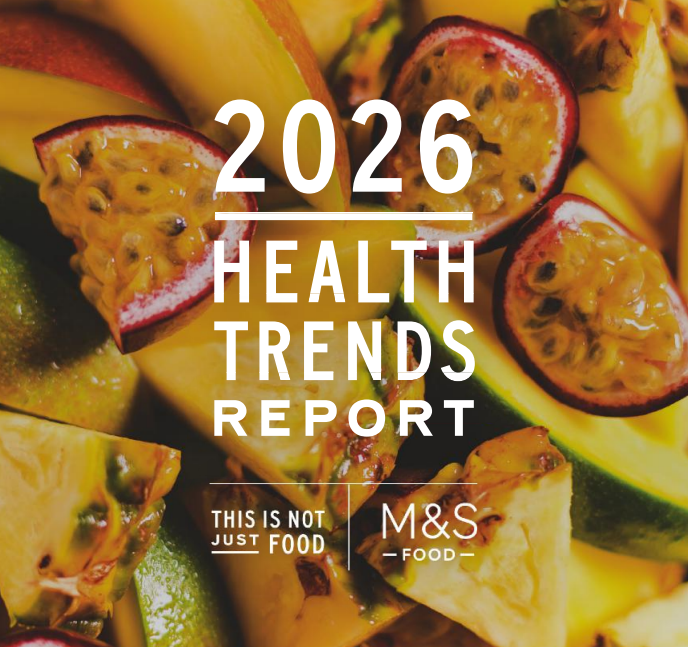
Health remains one of the most powerful drivers of product development across food and drink – and in 2026, it is evolving in more nuanced, ingredient-led and lifestyle-driven ways.
M&S Food’s Health Trends Report 2026 offers a snapshot of how shoppers’ expectations are changing, from fibre and gut health to protein diversity and minimal ingredients. For brands, manufacturers and suppliers across the food and drink supply chain, these trends point to where consumer demand – and commercial opportunity – is heading next.
Here are five of the key health trends set to shape product development in the year ahead.
1. Fibre takes centre stage
Forget carb-cutting. Fibre is firmly back in focus, with research showing that the vast majority of UK consumers still fall well short of the recommended 30g a day.
The rise of “fibremaxxing” reflects a shift towards proactively adding fibre into everyday meals, using wholegrains, seeds, pulses and emerging ingredients such as baobab and artichoke fibre. The opportunity for brands lies in making fibre easier to access – without compromising on taste – and positioning it as an everyday positive rather than a dietary restriction.
2. Nutrient density over calorie counting
Health-conscious shoppers are increasingly prioritising nutrient density: foods that deliver more fibre, vitamins and minerals per calorie. This trend is particularly relevant as portion sizes change and more consumers focus on getting maximum nutritional value from what they eat.
Products that combine whole foods, clear nutritional credentials and convenience are gaining traction, especially where health benefits are clearly communicated and supported by trusted guidance.
3. Biohacking goes mainstream
Once niche, biohacking has entered the everyday food and drink conversation. Rather than extreme regimens, consumers are embracing small, manageable changes – functional drinks, shots, snacks and supplements designed to support energy, gut health, skin health and healthy ageing.
Functional claims around protein, digestion and immunity are proving especially popular, reflecting a broader mindset shift towards long-term health investment rather than short-term dieting.
4. Protein for every life stage
Protein is no longer the preserve of athletes and gym-goers. Awareness of protein’s role in muscle maintenance, satiety and healthy ageing is growing across all age groups.
Importantly, the focus is widening beyond animal protein alone. Plant-based sources such as lentils, beans, nuts and seeds are increasingly valued as part of a balanced protein mix, opening up space for hybrid and plant-forward product development.
5. Minimal ingredients, maximum trust
As health awareness increases, so does scrutiny of ingredient lists. Shoppers are looking for shorter, more recognisable ingredient decks, favouring products that feel closer to home cooking and free from unnecessary additives.
This “minimal ingredients” trend is less about deprivation and more about reassurance – transparency, familiarity and quality playing a central role in purchasing decisions.
What this means for the food and drink industryTaken together, these trends highlight a consumer base that is informed, proactive and increasingly strategic about health. For exhibitors, suppliers and buyers across IFE and the wider food and drink sector, they underline the importance of:
-
Clear nutritional storytelling
-
Functional benefits backed by credibility
-
Ingredient transparency and quality
-
Products that fit seamlessly into everyday routines
Health in 2026 is not about extremes. It is about balance, trust and making better choices easier – a direction that will continue to influence innovation across retail, foodservice and manufacturing.
Read the full report at marksandspencer.com/food/content/top-food-trends
)
)