)
)

The Frozen Food Revolution: Why it’s time to rethink the freezer
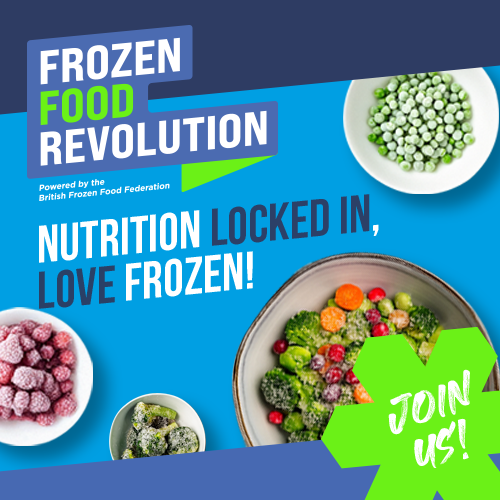
Frozen Food Week, a campaign by the British Frozen Food Federation, runs from 13-18 October and is designed to challenge outdated perceptions and celebrate the power of frozen.
The frozen aisle is changing. Once seen as the home of convenience rather than quality, frozen food is now being recognised for its role in tackling some of the biggest challenges facing the food and drink sector: from sustainability and food security to nutrition and cost efficiency.
This transformation sits at the heart of the Frozen Food Revolution, a national campaign led by the British Frozen Food Federation (BFFF), of which IFE is a proud partner. The initiative aims to shine a light on the benefits of frozen food and help shift long-held perceptions about quality, freshness and environmental impact.
Freezing out food waste
Food waste remains a major issue in the UK, with millions of tonnes of edible food discarded each year. Frozen food can play a crucial role in changing that picture. By locking in freshness and extending shelf life, frozen products help consumers and businesses plan better, reduce spoilage and cut costs. According to BFFF data, more than half of UK shoppers say their freezer helps them waste less food.
For foodservice operators, that same principle applies on a larger scale. Frozen ingredients enable more accurate portion control, consistent quality and better stock management, all while reducing waste disposal costs and supporting sustainability targets.
Nutrition locked in
It’s a common misconception that frozen food is less nutritious than fresh. In fact, freezing often preserves produce at its peak, locking in vitamins and minerals that can be lost during transport and storage of fresh items. The result is a more reliable nutritional profile, with no need for additives or preservatives.
As consumers continue to prioritise health and transparency, the frozen category offers a compelling combination of quality, affordability and convenience, factors that are especially relevant in the current economic climate.
A sustainable choice for the future
Sustainability is central to the Frozen Food Revolution. Freezing allows products to be stored and transported efficiently, helping to minimise spoilage across the supply chain. It also supports year-round access to seasonal produce, reducing the environmental burden of imports and long-haul logistics.
Manufacturers and retailers are also innovating within the cold chain itself, exploring more energy-efficient freezing methods and optimised temperature settings to lower emissions without compromising safety or quality.
Changing perceptions
Despite these advantages, barriers remain. Many consumers still associate frozen food with lower quality or limited choice. The Frozen Food Revolution campaign is working to challenge those outdated views through education, awareness and collaboration across the industry.
At IFE, we’re proud to support that mission. As a platform connecting suppliers, retailers and foodservice professionals, IFE helps share insights, showcase new products and foster conversations about how frozen can deliver both quality and sustainability.
The frozen food sector has always been about more than convenience. Today, it represents smart resource use, nutritional integrity and environmental responsibility. Through initiatives like the Frozen Food Revolution, the industry is demonstrating that frozen food is not just a practical option but a positive choice for the future of food.
To learn more about the campaign, visit frozenfoodrevolution.co.uk.
)
)