)
)

GLP-1 use driving lasting changes in consumer food and drink spending, BCG finds
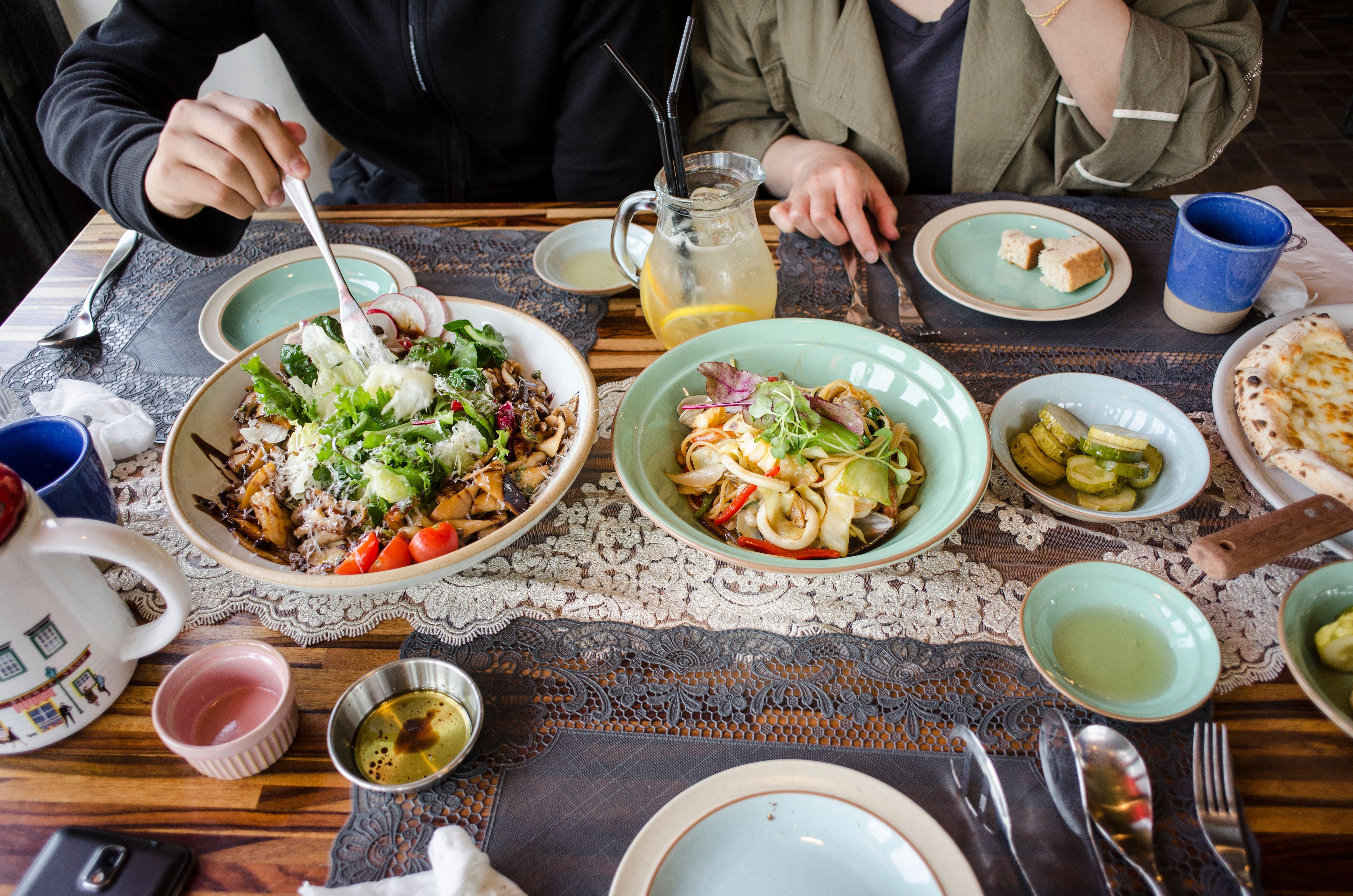
The growing use of GLP-1 medications is reshaping how consumers eat, shop and spend, with new purchasing habits extending beyond active users to influence entire households, according to new research from Boston Consulting Group (BCG).
BCG’s Center for Customer Insight surveyed more than 1,500 GLP-1 users across nine markets, examining their behaviour, motivations and future purchasing plans. The findings suggest the medications are prompting a broader lifestyle shift, with consumers redirecting spending towards healthier groceries, supplements, fitness, apparel and self-care products and services.
Although GLP-1 users are reducing their overall calorie consumption, BCG found that they are not necessarily cutting their total food spend. Instead, consumers are moving towards more health-conscious and premium alternatives.
Active users said they planned to spend an average of 15% more each month on fruit and vegetables and 11% more on high-protein foods, alongside increased spending on high-fibre and wholegrain products. Respondents also reported being twice as likely to choose functional products highlighting specific health benefits rather than premium alternatives.
By contrast, users said they expected to spend 14% less on confectionery and 12% less on prepared frozen side dishes. Spending on salty snacks, alcohol, soft drinks and chocolate is anticipated to fall by approximately 10%, with consumers eating these products less frequently and in smaller portions.
The effect is also expected to be felt across the eating-out market. GLP-1 users said they planned to order smaller portions, select lighter options and consume less alcohol when visiting cafés, casual dining venues, fast-casual restaurants and fine-dining establishments.
However, the research suggests that reduced demand in some categories will be accompanied by opportunities elsewhere. Active users expect to spend around 20% more on protein and fibre supplements and collagen, while multivitamins, hydration products and supplements supporting hair and skin health are also expected to benefit.
BCG identified four distinct consumer groups within the GLP-1 market: lifestyle optimisers, representing 41% of respondents; disease managers, accounting for 27%; aesthetic transformers at 19%; and “all-in” consumers at 13%. The consultancy said consumer businesses should tailor their products, pricing, packaging and marketing to the different motivations and purchasing patterns of these groups.
The influence of GLP-1 use also extends beyond those taking the medication. Seventy per cent of surveyed users reported changes in the behaviour of people in their household. Non-users living with someone taking a GLP-1 were found to adopt between 30% and 50% of the user’s behavioural changes, including eating fewer processed foods and more fruit and vegetables.
Some habits may continue after consumers stop taking the medication. BCG found that former users tend to sustain increased consumption of meat, fruit, vegetables and high-protein products such as yoghurt, while demand for categories including salty snacks, frozen meals and confectionery is more likely to rebound.
The findings present both challenges and opportunities for food and drink businesses. BCG recommends accelerating the development of protein- and fibre-rich products, considering smaller pack sizes for premium and indulgent categories, and building strategies that address households and former users as well as those currently taking GLP-1 medications.
)
)