)
)

The great chocolate debate: Paul A. Young on labelling, cost Pressures and cocoa shortages
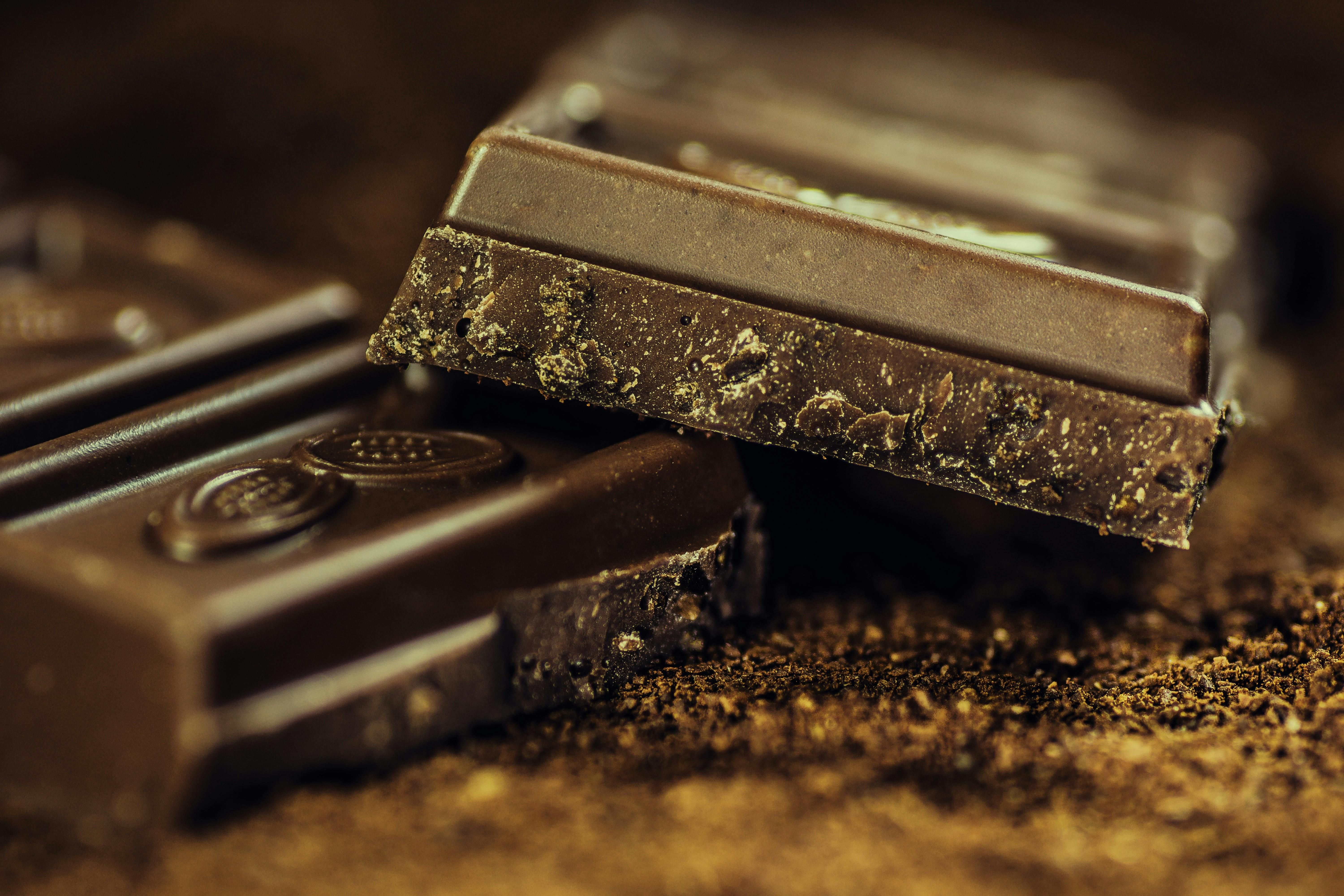
Few foods hold such a firm place in British hearts as chocolate, and even more so when paired with a good biscuit. But recent changes to some of the nation’s favourite treats, including McVitie’s Penguins and Club bars, have sparked public debate over what really counts as “chocolate”. With cocoa prices soaring and reformulations hitting supermarket shelves, IFE spoke with chocolate expert Paul A Young to unpack what’s driving these changes, how current UK laws define chocolate, and what the future may hold for both producers and consumers.
What exactly makes a product “chocolate” in the UK, and why do some bars no longer meet the standard? Yes,
The legal minimum of cocoa solids to be in chocolate to be able to describe it as chocolate and use the word 'chocolate' is 20% here in the UK. If your cocoa solids is below this, then it’s not chocolate, nor can it be called or labelled as chocolate. Take out the cocoa and the cocoa butter, and you don’t have chocolate, and you have to then list your product as having a chocolate-flavoured coating. Chocolate flavoured coating will be a blend of fats, sugars, stabilisers and maybe some cocoa, but often very little to none.
We do have to point out that many chocolate biscuits have that absolute minimum of cocoa solids in their chocolate, so read the label and check if you want to be sure that you are actually getting a real chocolate biscuit.
Why have McVitie’s Penguins and Club bars recently changed their recipes?
Having not spoken to McVitie’s, I am speculating that the cost of ingredients will be the main factor here. Every single individual and large company that uses chocolate has seen a colossal global rise in the price of cacao beans, cocoa butter and chocolate.
Why has the story been making headlines recently?
We as a nation have a deep relationship with biscuits and chocolate products. Put chocolate on a biscuit, and we are in heaven, and we are one of the few biscuit-dunking tea break nations in the world, so we love both together. We love our brands, and we are not happy when formulations of our favourite products change, resulting in active, even viral conversations on social media within hours of the story breaking. I feel that if we as consumers, were asked what we would prefer to happen, this would drive positivity in sales and consumer loyalty. So on this occasion, McVitie’s could have used social media to ask whether we would pay more for our biscuits if covered in real chocolate? And not decide to change to chocolate chocolate-flavoured coating.
How much are cocoa prices and supply issues driving these changes?
Absolutely, the reason why all our chocolate products are either shrinking or being reformulated. Climate change, cacao tree diseases, and farmers being under-supported and underpaid.
Cocoa farmers, especially in the Ivory Coast and Ghana which account for a whopping 60% of the world’s cocoa harvest, have faced the brunt of not being paid a living wage for decades and not having the infrastructure to grow, invest and create profitable businesses, this along with the challenges of climate change have resulted in poor harvests in recent years pushing the price of cocoa to eyewatering levels.
Are these reformulations a result of new laws or existing regulations?
Yes, in a way, but it’s the cost that is driving the change.
The legal minimum of cocoa solids to be in chocolate to be able to describe it as chocolate and use the word chocolate is 20% here in the UK. If your cocoa solids are below this, then it’s not chocolate, nor can it be called or labelled as chocolate. Take out the cocoa and the cocoa butter, and you don’t have chocolate, and you have to then list your product as having a chocolate-flavoured coating. Chocolate flavoured coating will be a blend of fats, sugars, stabilisers and maybe some cocoa, but often very little to none.
How could the UK’s move away from EU laws impact chocolate labelling and marketing?
We can move away from EU laws as we are no longer part of the EU, and we could drive a positive change here and set the standard for the minimum cocoa percentage to be higher in milk and dark chocolate, improved supply chain activity, address the concerns around forced child labour, build closer relationships with cacao farmers to buy directly and set a legislation so they are paid fairly for their cacao beans.
This is a wish list, and change is complicated within any food commodity and especially in our developing countries. Significant positive changes are happening with many chocolate companies, driving support for their farmers, paying them well, supporting with secondary income initiatives, investing in education and agricultural support but we need the multinationals to do the same, and we must educate our consumers that real chocolate isn’t a cheap food and we need to pay more for our real chocolate.
Do these changes affect taste, quality, or the overall chocolate experience?
Fundamentally, yes, chocolate, real chocolate, can be complex, have a story to tell when you eat it, and leave you with the feeling of joy. Chocolate-flavoured coatings are simple in flavour, have less enjoyment, less depth of flavour and are not good for us. Everything in moderation is key but a chocolate biscuit should be enrobed in real chocolate. I wouldn’t buy a box or packet of biscuits that said chocolate-flavoured coating biscuits. Real chocolate isn’t processed, chocolate-flavoured coating is, and its not kind to us or our bodies.
Could other chocolate brands follow suit with similar adjustments?
Yes, I'm sure many of the brands we all recognise are having to consider chocolate prices and how they will adapt. I hope that many will take time to consider that many consumers do not mind paying a bit more for a better product, a product that has not shrunk, a product that uses real. Ingredients and a product that relies on its values for delivering the quality and expectation consumers deserve.
From an industry perspective, is this shift likely to reshape how chocolate is made or marketed in the UK?
The reshaping is happening right now, and my role as a chocolatier is to share the joy of real chocolate and how it is far superior to chocolate-flavoured coatings. How can a chocolate-flavoured coating support cocoa farmers and chocolate makers, for example? We have seen a growth in chocolate alternatives using oats and grains to create a product that looks and tastes like chocolate but contains no cocoa beans.
Marketeers have a wonderful opportunity to flip this around into a positive opportunity by buying cacao beans in a way that supports farmers, to celebrate that their product is real chocolate and not a fake, and to make real chocolate a luxury to be enjoyed and savoured. Of course, it will be challenging and will take significant consumer re-education, and in my opinion, this has to happen so we can still have real chocolate available.
Little farmer support, paying farmers the minimum for their cacao beans, equates to no chocolate at all in the long term, and we will have a product that is so luxurious and expensive here in the consumer world that only a small portion of our population will be able to afford it.
Keep up to date with all the latest news and industry interviews by subscribing to the IFE newsletter.
)
)