)
)
)
La Fromagerie's Patricia Michelson on the impact of recent import challenges
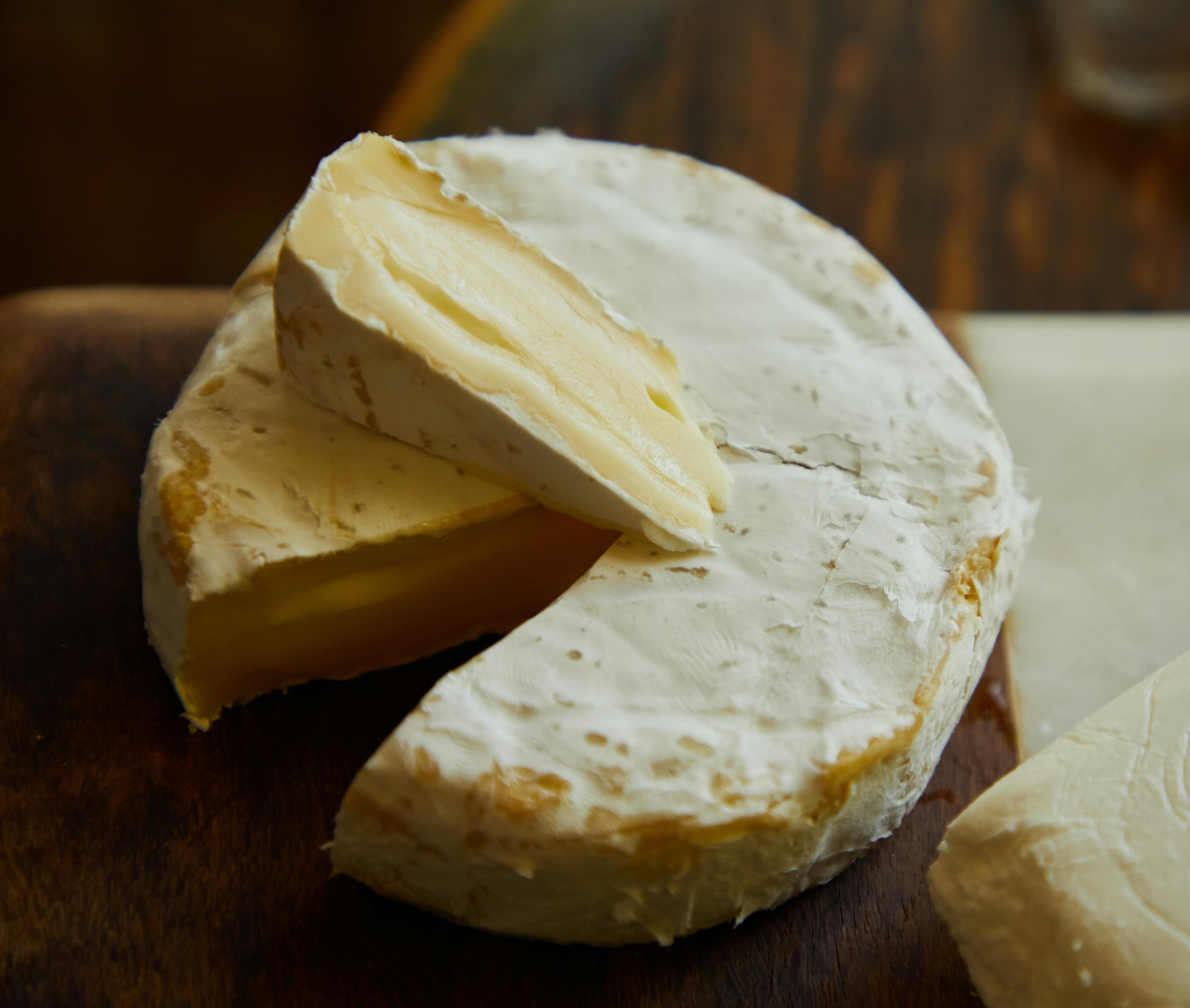
When Lumpy Skin Disease (LSD) began spreading through cattle herds in parts of France this summer, the ripple effects reached far beyond the farm gates.
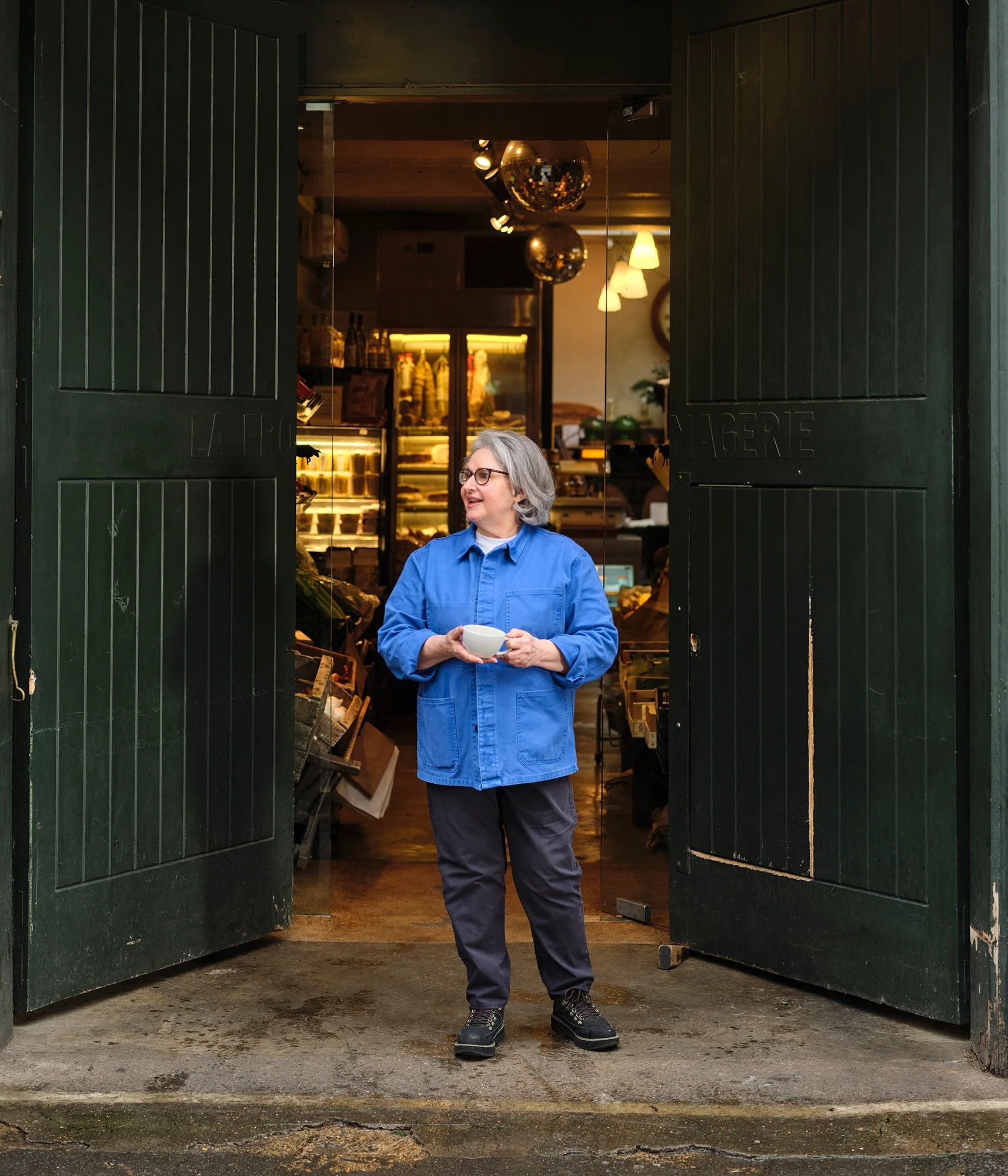
For La Fromagerie Founder Patricia Michelson, the UK government’s immediate ban on importing unpasteurised cow’s milk and cheeses from affected regions has meant losing access to some of her most in-demand products. Coupled with new, time-consuming DEFRA import paperwork, delays at border checkpoints, and mounting costs, the restrictions are reshaping her business and challenging long-standing relationships with European cheesemakers.
In this interview with IFE, Patricia discusses the practical and emotional impact on La Fromagerie, how she is adapting her range, and what this could mean for the future of specialist cheese retail in the UK.
What impact have recent import restrictions had on your business, and for how long?
The impact since the restrictions were put in place has been extremely difficult due to the cheeses embargoed being some of the most popular and most asked for varieties: Camembert, Pont l’Eveque, Livarot, Epoisses, St Nectaire, Munster, Brie de Meaux, Brillat Savarin, St Marcellin, St Felicien, Langres, Chaource, Morbier, Raclette, Emmental to name just a few.
As we are a business specialising in unpasteurised milk cheeses and also we import an unpasteurised cow’s milk butter, we are struggling to find suitable pasteurised or thermised versions to showcase in our business. Of course you can find these cheeses as pasteurised versions in supermarkets but for a specialist cheese shop where sourcing from single farms using milk from their own herds and also unpasteurised cow’s milk this has been a major blow. This situation may be something that will carry on for a long time, and may even change our ability to import foreign cheeses in the future, especially those that are unpasteurised. Our cheese offer could very well look very different in the not too distant future.
We have already seen DEFRA implement new paperwork for cheese imports where much more information is required including flow charts and temperature charts of the cheesemaking process. This new paperwork is laborious to fill out and requires more veterinary confirmation which means delays in getting the cheeses and often more delays at the UK import gateway in Kent. More trucks are being stopped and checked causing 24–72 hour delays and the costs keep rising with every delay and overnight stoppage by transport and drivers.
How have these issues impacted your European partners?
I am in constant contact with the producers and cheesemakers I work with in France and they are very worried that this animal condition is going to impact cheesemaking further down the line, especially unpasteurised milk cheese where none has been made in the zones being monitored.
[Issues in France remain ongoing, with LSD currently not contained]
What communication or support has there been from the UK government?
The worst part of all of this is absolutely no communication or support from DEFRA I have sent many emails asking for updates and any testing being done in the UK of unpasteurised cow’s milk from France and also unpasteurised cow’s milk products either from Savoie or any of the other regions in France, but I have not had any joy in receiving replies.
The government has banned all unpasteurised cow’s milk and products made with unpasteurised cow’s milk from France. They have allowed pasteurised and thermised milk, and my argument is why is it ok for thermised milk which is heated to under pasteurised level so still with bacteria in the milk allowed to be imported as cheese but lower temperature heated unpasteurised milk is not? Surely if you are going to ban milk with its bacteria intact that should apply to any milk with bacteria? Or is it just another way of DEFRA implementing their belief that unpasteurised milk is not in their eyes safe and should be banned altogether?
What alternative arrangements have you had to make to meet the needs of your customers?
We have managed to get our producer of unpasteurised Brie de Meaux cheese to make pasteurised milk cheeses for us, together with a smaller size cheese that is more like a Coulommiers size and a triple cream soft cheese that is like a Brillat Savarin. We are trying to find a producer of pasteurised Morbier and Raclette, and looking at Munster, Epoisses and other cheeses from suitable producers.
However, we will not just buy anything just for the sake of it. It has to be to the standards we embrace and small production of hand made cheeses.
In the meantime we are giving our customers all the wonderful British and Irish cheeses, some that are quite similar to their French favourites, and guiding them along to Italian, Spanish, Belgium, Swiss and awaiting our German and Austrian cheeses which will arrive in September. We have amazing farmhouse Swedish Wrangabacksost which is like an Emmental, and their Almnas Tegel which is more in the style of a Gruyere too. Luckily we have many cheeses that we can showcase but our customers are very sad that they can’t get their favourites and this has affected some sales.
Luckily our Wholesale restaurant customers are very understanding and they have given us the opportunity to show them some new cheeses in place of the ones that are unavailable. Even our Michelin Star restaurants that normally have very classic cheeseboards have opened their ideas to new varieties from different countries.
Do you have any advice for any retailers facing similar issues?
While this problem is ongoing, and it could be many months before France is back on track, we have to show our expertise in creating cheese offers that are original, comparable and just as delightful. Now is the time to showcase our knowledge and prepare newsletters and tasting notes with cheeses not normally at the top of the list of favourites because there are many that have been under the radar and now have a chance to shine.
Lastly, for any consumers needing their French cheese fix, what British alternatives would you recommend?
Over the last 10 years there has been a surge of farmhouse cheesemaking and many are likened to their French cousins.
General English soft cheeses inspired by French styles
-
Tunworth – Camembert style
-
Baron Bigod – Brie style
-
Moreton – Savoie Tomme style
-
Ashcombe – Morbier style
-
Rollright – Vacherin style
-
Evenlode – Munster style
-
Yarlington – Reblochon style
-
Ogleshield – Raclette style
-
Bix – small double cream Brillat style
-
Finn – triple cream style
-
St Sunday – Vacherin style
-
St Elizabeth – soft washed rind, like Rollright
-
St Helena – semi-soft washed rind, similar to St Nectaire but without the moulded rind
-
St Jude – very similar to St Marcellin
-
Devon Blue – cow’s milk blue
-
Beauvale Blue – similar to Gorgonzola Dolce
-
Gubbeen – washed rind, similar to Munster
-
Durrus – washed rind, similar to Munster
Find out more about La Fromagerie's online shop, London locations, upcoming events and more at lafromagerie.co.uk. To keep up to date with all the latest news, interviews and industry trends, challenges and opportunities, subscribe to the IFE newsletter.
)
)
)
)
)
)
)