

One year to go: what F&B businesses need to know about the Deposit Return Scheme
The UK is almost one year away from the planned launch of its deposit return scheme (DRS). Drinks producers, importers, wholesalers and retailers should now be moving from general awareness to detailed preparation.
From 1 October 2027, customers will pay a refundable deposit when buying certain drinks in single-use containers. The scheme will cover containers made wholly or mainly from aluminium, steel or PET plastic, with a capacity between 150ml and three litres.
HDPE containers, such as most plastic milk bottles, are excluded, as are containers used for liquid medicines and products such as drinks syrups and flavour enhancers.
Exchange for Change has been appointed to operate DRS across England, Scotland, Wales and Northern Ireland. However, some differences will remain between nations. Wales plans to include glass, although glass containers will not carry a deposit or require scheme labelling until October 2031.
Businesses selling drinks in multiple UK markets will need to check the requirements applying to each product and nation.
Responsibilities across the supply chain
Everyone in the supply chain will need to charge the deposit to the next buyer when selling filled containers included in the scheme. This applies to drinks producers, importers, wholesalers and retailers.
Businesses must only supply eligible drinks that have been placed on the market by a registered scheme producer and carry the required labelling. The deposit will not apply when supplying empty containers.
Producers will need to register with Exchange for Change, apply the deposit, meet scheme labelling requirements and report the number of eligible containers they place on the market.
Existing barcodes on products entering the scheme will also need to change and be registered. Product identification should form part of a coordinated plan spanning packaging artwork, printing, product data, production schedules, retail systems and the management of existing and replacement stock.
Under the guidance for England and Northern Ireland, product lines selling fewer than 5,000 units per year will not need to carry the deposit or scheme labelling, or incur producer fees. Producers will still need to register and report the number of containers placed on the market.
Planning for producer fees
Producer fees will help cover the operating costs of DRS and are separate from the refundable deposit paid by consumers.
Exchange for Change intends to set these fees at zero for the first 15 months, from October 2027 to December 2028. From January 2029, fees are currently expected to be:
-
0.6p for each aluminium or steel container
-
2.3p for each PET plastic container
These figures are not yet final and will be reviewed and reconfirmed in May 2027.
Preparing retail operations
Retailers will need to pay the deposit when purchasing eligible drinks and charge it to customers at the point of sale.
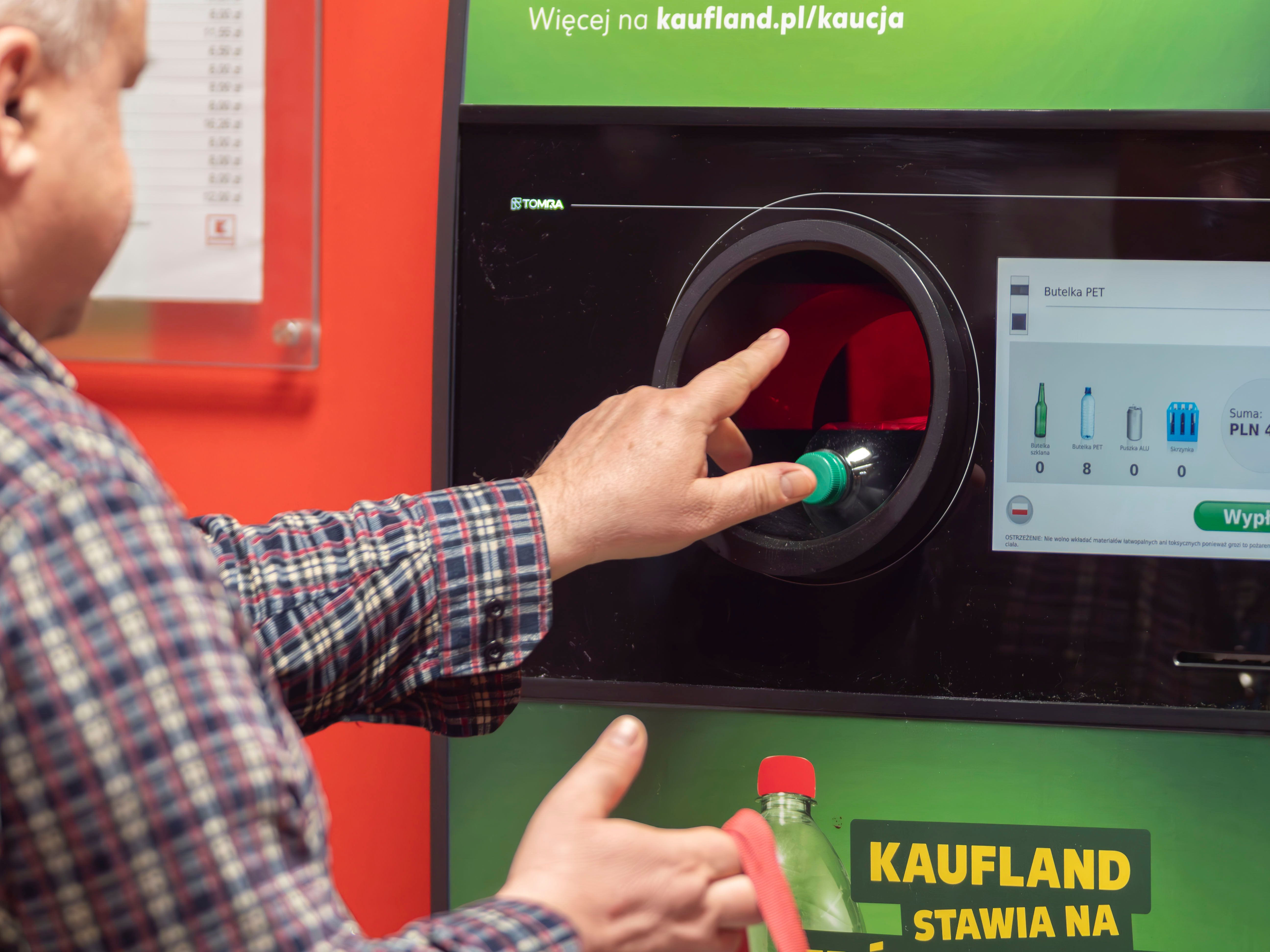
Supermarkets, grocery stores, convenience stores and newsagents must also host a return point unless they qualify for an exemption. Return points may be operated manually or through a reverse vending machine.
Retailers operating return points will need to register, refund deposits, store returned containers for collection and clearly explain the scheme to customers. A Return Handling Fee will contribute towards costs including equipment, storage, staff training and space.
Exchange for Change is also making £60 million available to help up to 10,000 qualifying independent retailers install reverse vending machines. Its first list of certified models is expected in early October 2026, and retailers should check the official specifications before committing to equipment.
What businesses should do now
Businesses can begin by identifying affected products, assigning internal responsibility and assessing packaging, technology and production lead times. They should also map their dependencies on suppliers, customers and solution providers, while reviewing updated guidance regularly.
Early coordination across commercial, supply chain, finance, technology, packaging, product data and regulatory teams will be essential to avoid rushed decisions as the launch approaches.
Read the original article from GS1 UK and consult the government guidance for England and Northern Ireland for further details.