)
)
)
From picky teas to small plates: Why sharing food is having a moment
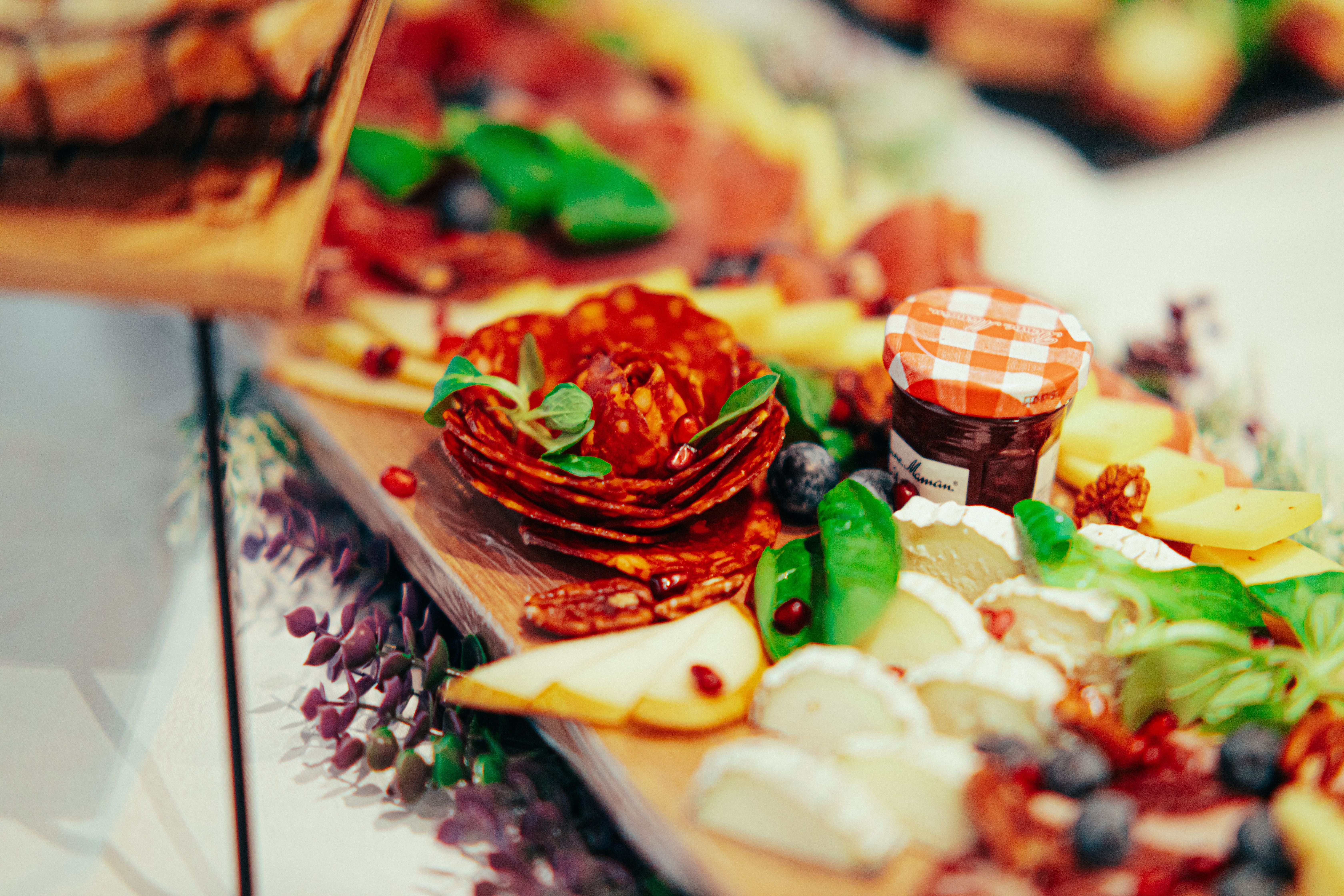
From charcuterie boards and antipasti platters to premium dips, olives and tapas-inspired dishes, food designed for sharing has become increasingly prominent across the UK food and drink sector.
While "picky bits" may have started as a colloquial term for an informal meal made up of snacks, leftovers and cupboard staples, retailers and brands are now placing greater emphasis on products that support grazing, sharing and flexible eating occasions. Dedicated small plates ranges, sharing promotions and grazing-inspired merchandising are becoming increasingly common, reflecting the growing importance of these occasions within both retail and hospitality.
For food and drink businesses, the trend offers valuable insight into how consumers are approaching food, entertaining and mealtimes.
The appeal of flexible dining
Traditional meal occasions remain important, but consumers are increasingly embracing more relaxed and adaptable ways of eating. Whether it's an evening spent in the garden, a picnic in the park, a movie night at home or a casual get-together with friends, many occasions no longer revolve around a single plated meal.
Instead, shoppers are often looking for products that can be mixed and matched to create a spread tailored to the occasion. The appeal lies in variety, convenience and the ability to create an experience without extensive preparation.
This shift presents opportunities across multiple categories. Rather than purchasing a single meal solution, consumers may buy a combination of deli products, snacks, bakery items, chilled prepared foods and drinks, creating a broader occasion-based shop.
The influence of Mediterranean-style eating
One of the clearest themes running through sharing food ranges is the influence of Mediterranean cuisine.
Tapas, antipasti and mezze have become familiar concepts for UK consumers, introducing eating styles centred around multiple dishes, communal dining and flavour exploration. Products such as olives, charcuterie, stuffed peppers, feta, halloumi, tortilla and marinated vegetables have become staples within many sharing occasions.
These formats lend themselves naturally to grazing and entertaining, while also providing consumers with opportunities to explore global flavours in accessible ways.
What's particularly interesting is how these influences have been adapted for the UK market. Alongside Mediterranean-inspired products sit familiar favourites such as Scotch eggs, pork pies, sausage rolls and mini quiches, creating sharing occasions that combine international inspiration with recognisable British staples.
Experience-led food choices
The popularity of sharing foods also reflects a broader consumer desire for experiences.
Food is increasingly playing a role in creating occasions, whether that's entertaining guests, spending time outdoors or enjoying a more relaxed evening at home. Products that help create these moments can often command greater attention than those positioned solely around convenience or functionality.
For brands, this creates opportunities to innovate around flavour, format and presentation. Products that feel premium, distinctive or discoverable can help consumers recreate hospitality-style experiences at home while offering retailers opportunities to drive engagement across multiple categories.
Opportunities for suppliers
The trend spans far more than traditional party food or seasonal entertaining.
Demand for shareable formats is creating opportunities across categories including antipasti, olives, charcuterie, dips, cheeses, bakery products, chilled prepared foods, frozen appetisers, world foods and premium snacks. Products that are easy to prepare, simple to serve and designed for sharing are particularly well positioned.
Global flavours also continue to play an important role. Consumers are increasingly comfortable experimenting with cuisines from around the world, creating opportunities for suppliers to introduce new flavour combinations and formats inspired by international food cultures.
At the same time, convenience remains essential. Consumers may be looking for restaurant-inspired experiences, but they still expect products that are quick to assemble and easy to enjoy.
The growing visibility of small plates, sharing foods and grazing occasions across retail and hospitality suggests that these formats continue to resonate with consumers looking for flexibility, variety and sociability in their food choices.
For retailers, the opportunity lies in creating compelling occasions that encourage shoppers to explore across categories. For suppliers, it means developing products that deliver flavour, convenience and shareability in equal measure.
Whether described as picky bits, small plates, grazing foods or sharing dishes, the underlying appeal remains the same: helping consumers create enjoyable food experiences that fit seamlessly into modern lifestyles.
)
)
)


)
)
)

)