)
)
)
From policy to plate: Exploring the future of food at The Conduit for London Climate Action Week
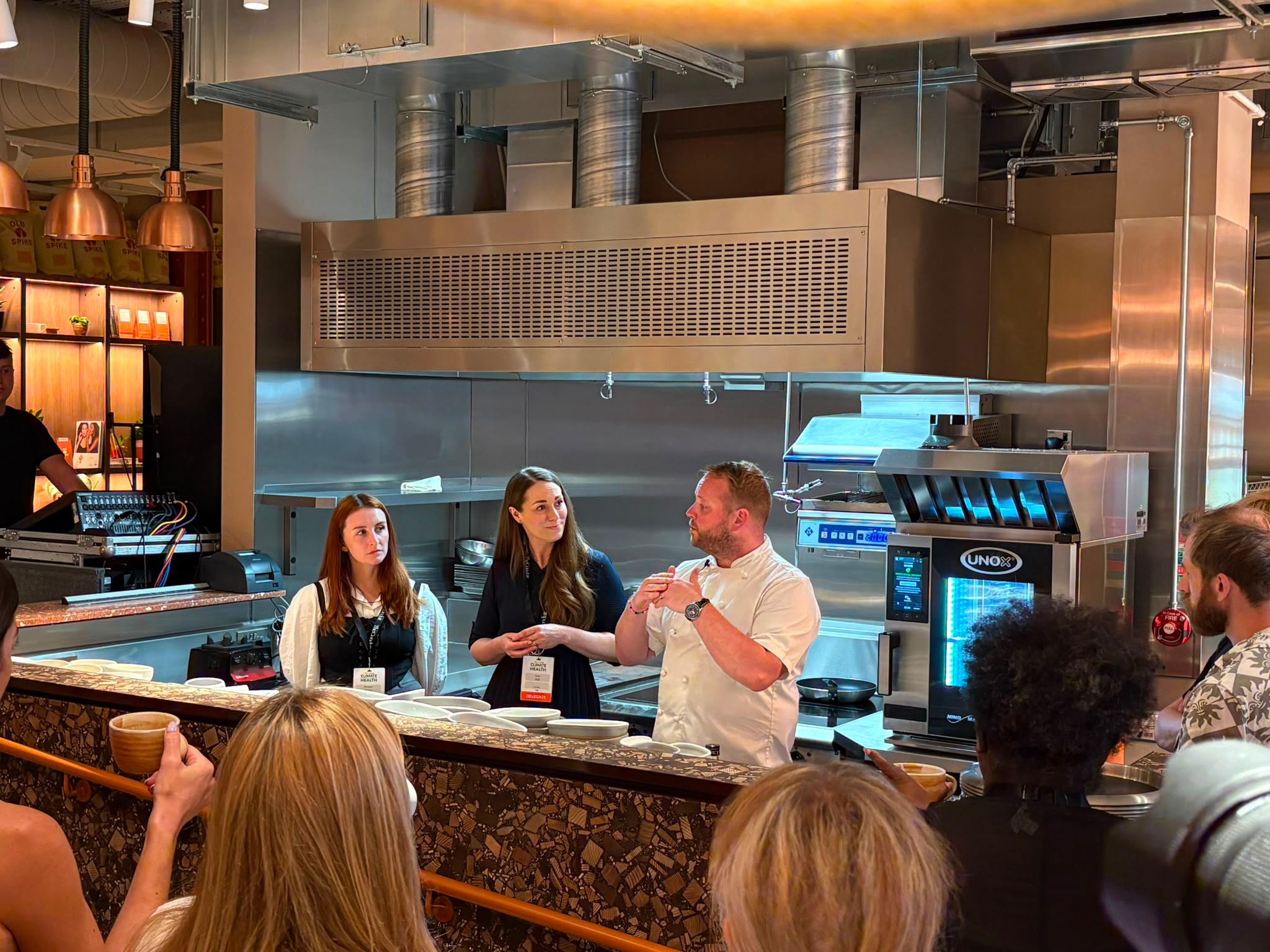
As temperatures soared during what is likely to be one of the hottest weeks of the year so far, the IFE team headed to The Conduit in Covent Garden for a London Climate Action Week event focused on the future of food, health and sustainability.
The morning began with Finger on the Pulse: How Forgotten British Ingredients Can Feed the Nation, an event spotlighting the role that under-utilised British ingredients could play in creating a healthier, more resilient and more sustainable food system. Hosted at The Conduit's newly launched restaurant Birchwood, the session featured live cooking demonstrations from Green Michelin-starred chef Will Devlin, showcasing ingredients including carlin peas and hogget kidneys, alongside discussions around how these products can be reintroduced into everyday cooking.
The event formed part of The Conduit's wider Climate and the Future of Health conference, which brought together voices from food, retail, farming, policy, science and media to explore how climate action and public health goals can be better aligned.
Reconnecting consumers with food
One of the strongest themes throughout the day was the growing need to reconnect people with food itself.
Despite the huge popularity of food content online, speakers highlighted a disconnect between watching food and actively engaging with it. With #food generating hundreds of billions of views on TikTok, the challenge is no longer attracting attention but converting that attention into healthier habits and greater food literacy.
The event also celebrated the launch of The Main Ingredient, a new TikTok campaign designed to improve knowledge around food and nutrition while encouraging more people to cook, learn and connect through shared food experiences.
As part of the initiative, TikTok is supporting new content inspired by Jamie Oliver's "10 Skills" programme, helping bring practical cooking education to younger audiences through the platforms they use every day.
Alison Corfield, Brand Director at Jamie Oliver, explained that the programme, which is mapped to the national curriculum, is now used in around a third of UK primary schools.
She argued that many people simply lack the confidence and knowledge to cook basic meals from scratch, making food education a critical part of improving public health outcomes.
"With food education, you have to be where people's eyeballs are," she said. "And that place is TikTok."
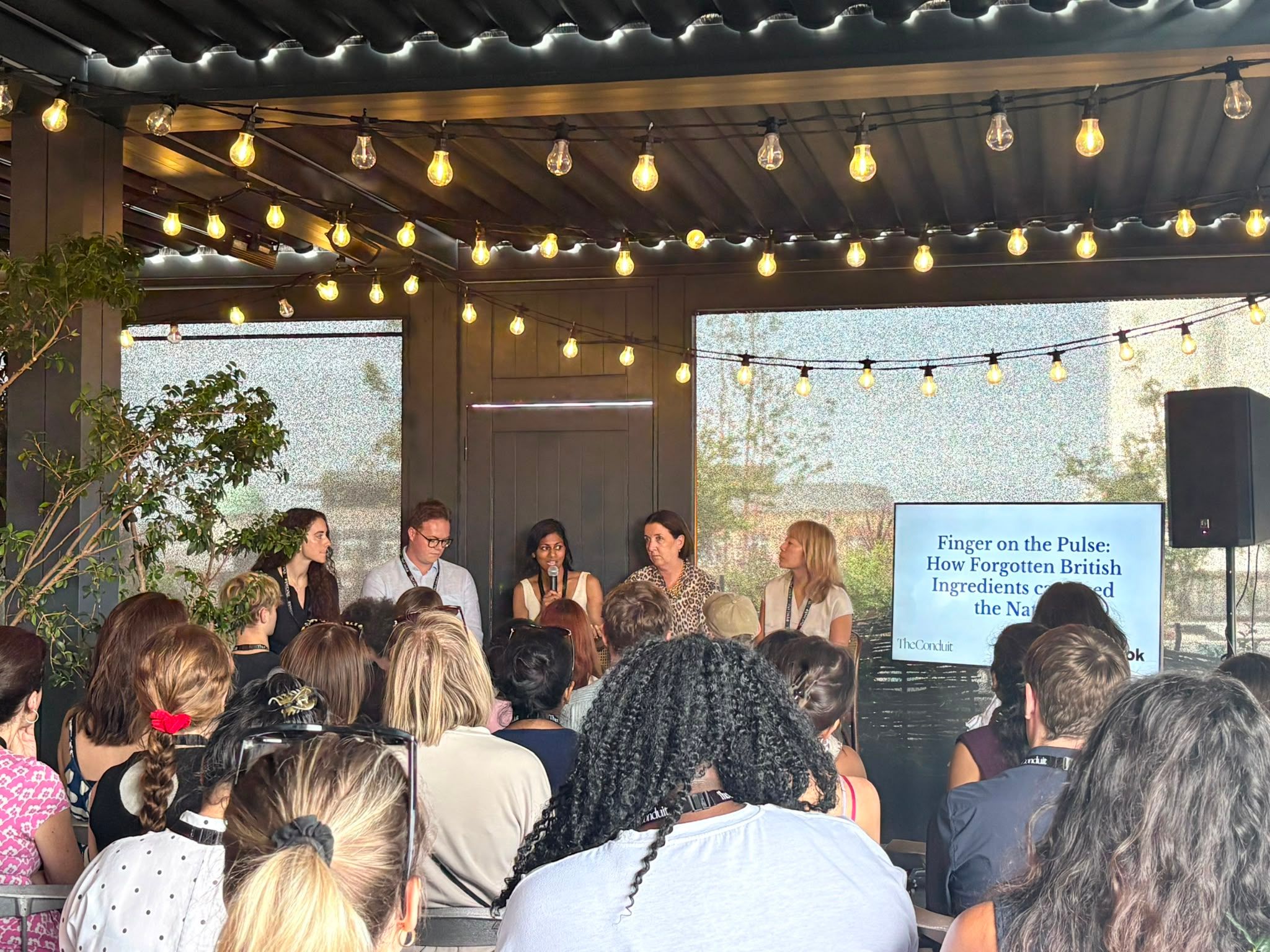
Why food education matters
Throughout the discussion, speakers returned to the idea that healthier and more sustainable food systems require better education.
Corfield highlighted the importance of collaboration, pointing to partnerships with organisations such as Bite Back, the youth-led food campaign group, and emphasised the need to pass responsibility and knowledge to younger generations.
"Every human is connected to food," she noted, arguing that meaningful progress depends on organisations finding opportunities to work together rather than tackling challenges in isolation.
Sumi Rabindrakumar, Director of External Affairs at Trussell, echoed this sentiment, discussing the importance of creating spaces where conversations about food access, health and sustainability can intersect.
Ensuring everyone has access to healthy and sustainable food remains a critical challenge, she said, particularly as economic pressures continue to affect households across the UK.
Retail's role in shaping food systems
The event also offered valuable insights into how retailers can influence positive change across the supply chain.
Matt Juden-Bloomfield, Head of Sustainable Affairs at Lidl, highlighted the scale at which modern retailers operate and the responsibility that comes with it. He explained how Lidl's relatively focused product range enables greater investment in farming partnerships and long-term supplier relationships.
Among the examples discussed were Lidl's commitment to sourcing 100% British beef and dairy and its long-term pricing commitments designed to give farmers greater certainty and confidence to invest in their businesses.
Bloomfield also reflected on one of the industry's biggest ongoing challenges: the gap between consumer aspirations and consumer behaviour.
Many shoppers support the idea of eating more sustainably, he suggested, but may lack the knowledge, confidence or budget to consistently make those choices. Education therefore remains as important as product innovation.
The retailer's commitment to the Planetary Health Diet was highlighted as one example of how businesses can help encourage healthier and more sustainable consumption patterns at scale.
The power of creators and storytelling
Another recurring theme was the growing role of creators in shaping how food messages reach consumers.
Ciara Doyle of Going Green Media spoke about audiences' increasing desire to understand where food comes from and learn more about the people and communities producing it. She suggested that social media users are increasingly seeking authenticity, connection and context alongside recipes and food inspiration.
At the same time, speakers acknowledged that social media can also promote overconsumption and unrealistic food behaviours. The challenge is ensuring platforms are used not only to entertain but also to educate.
Representatives from TikTok argued that creators can play a valuable role as translators, helping complex topics such as nutrition, sustainability and food systems become more accessible to wider audiences.
Importantly, panellists stressed that successful partnerships between brands, charities and creators require mutual understanding and respect for the creator economy as a legitimate business model.
Connecting the dots
Beyond the food-focused sessions, the wider Climate and the Future of Health conference explored themes ranging from climate resilience and urban infrastructure to workplace wellbeing, community health interventions and food systems transformation.
For IFE, the event served as a reminder that many of the conversations shaping the future of food extend far beyond product innovation alone.
Food education, consumer behaviour, farming practices, retailer commitments, creator influence and public health outcomes are becoming increasingly interconnected. The industry's biggest opportunities – and challenges – sit at the intersection of all of these issues.
As conversations around climate, health and affordability continue to evolve, the revival of forgotten ingredients may seem like a small part of the solution. Yet the discussions at The Conduit highlighted how rethinking what we grow, cook and eat can contribute to much broader changes across the food system.
The future of food will require collaboration across the entire value chain. From farmers and food producers to retailers, educators, creators and consumers, everyone has a role to play in building a food system that is healthier, more sustainable and more resilient for the future.
)
)
)

)
)
)
)