)
)

Resilient, resourceful, and sensory: Mintel's 2026 Global Food & Drink Trends
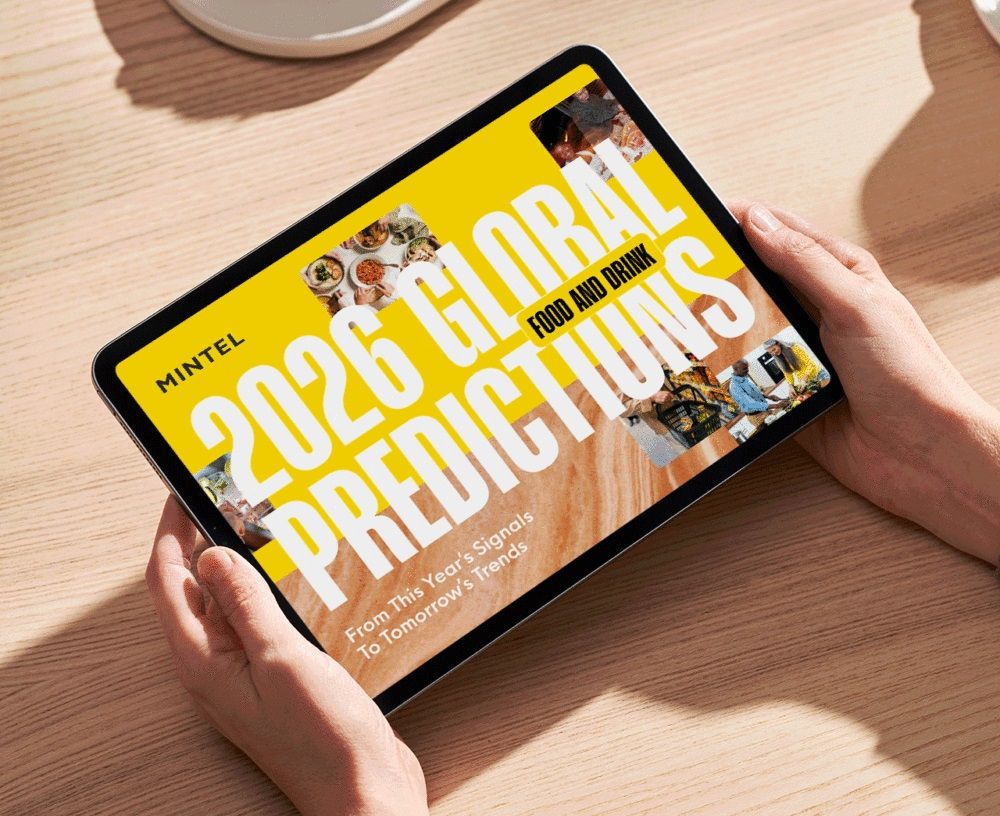
Mintel’s latest Global Food & Drink Trends report paints a picture of a sector adapting to complexity rather than resisting it. In a world shaped by climate volatility, cost pressures and shifting definitions of health, the research identifies three major currents that will shape consumer behaviour by 2026: a move from nutrient obsession to dietary diversity, a renewed appreciation for heritage, and a focus on sensory experience.
Together they suggest a future where value, authenticity and experience matter more than novelty, with clear implications for retail and hospitality businesses preparing for a more discerning consumer base.
Maxing out, diversity in
After years of single-nutrient hype, consumers are re-evaluating what healthy eating means. Mintel predicts that the fixation on protein is reaching saturation point, with British consumers less focused on reducing meat consumption and more aware of balance. The report notes that many are already consuming sufficient protein, often at the expense of fibre and micronutrients, while certain groups such as older adults are still underserved.
This change in perspective signals a shift in both product development and messaging. For brands, the future is not about adding more protein to everything, but about delivering better nutrition overall. High-protein claims will give way to more holistic propositions built around absorption, balance and functionality. Fibre, long overlooked, is now emerging as a key marker of wellbeing, linked to gut health, digestion and even counteracting the effects of microplastics on the body.
Mintel points to the rise of “plant points” and the “30 plants a week” goal as the next evolution of the plant-based trend. Instead of focusing on exclusion, consumers are celebrating variety, with legumes, seeds, grains and vegetables offering both nutritional and culinary diversity. For foodservice, this represents an opportunity to promote menus that feel abundant rather than restrictive, where guests can enjoy texture, flavour and colour alongside nutrition. For retailers, it means clearer signposting on packs, meal solutions that make diversity easy, and product innovation that celebrates the mix rather than the single hero ingredient.
Retro rejuvenation
Mintel’s second prediction, “Retro rejuvenation”, taps into the human instinct to look backwards for reassurance in times of uncertainty. Consumers are finding comfort in the familiar, and that nostalgia is beginning to shape how they shop and eat. The popularity of brands such as Bold Bean Co. shows that even in cost-conscious times, shoppers are willing to trade up for quality, story and provenance.
This trend goes beyond nostalgia for its own sake. Mintel highlights how heritage ingredients and traditional techniques are being reinterpreted for modern consumers. Ancient grains like sorghum are returning to prominence, not only for their sustainability but also for their nutritional benefits and culinary versatility. Upcycling, too, is being reframed as “resourcefulness”, aligning with a culture that values efficiency and creativity.
For retail and F&B brands, the message is to marry tradition with innovation in a credible way. Canned, ambient and long-life formats can shed their budget image if they focus on premium quality and personality. Storytelling will be key: provenance, cultural heritage and production methods all help connect consumers emotionally to products. In hospitality, the trend invites operators to revisit classic dishes through a modern lens, to celebrate traditional cooking with flair, and to tell those stories through menus, social content and design. The most successful brands will be those that ground themselves in continuity, offering products that feel both enduring and contemporary.
Intentionally sensory
The third of Mintel’s trends, “Intentionally sensory”, explores the growing desire for food and drink that engage the senses in creative and memorable ways. Texture, aroma and visual appeal are moving centre stage, transforming the act of eating from simple consumption into experience. This shift is partly a response to digital overload and the emotional flatness of convenience culture. Consumers want products that make them feel something, whether through a surprising texture, a nostalgic aroma or an interactive format.
Mintel links this to the rise of the “Ozempic personality”, where consumers using appetite-suppressing medication seek pleasure from sensory satisfaction rather than portion size. By 2030, ultra-processed foods will need to exceed expectations by offering richer textures and multi-sensory layers that go beyond the functional. The boundaries between flavour and fragrance are already starting to blur, with collaborations between flavourists and perfumers hinting at a new sensory frontier.
This presents fertile ground for both hospitality and retail brands. In foodservice, the trend supports experiential menus that play with temperature, texture and contrast while remaining authentic and grounded. For retail, it suggests innovation in categories such as ready meals, confectionery and beverages, where tactile or aromatic cues can differentiate products on crowded shelves. Mintel also notes the growing importance of sensory inclusivity, with more attention to neurodivergent diners, texture-sensitive consumers and older demographics. For operators, that could mean designing quieter, more comfortable dining spaces, or tailoring product ranges to meet diverse sensory preferences.
Pleasure with purpose
Across all three themes, Mintel identifies a decisive move from excess towards intention. Consumers are seeking nourishment that satisfies both body and mind, products that tell a story and experiences that engage multiple senses. The growing popularity of “bun runs” – stopping at artisan bakeries mid-exercise – captures the spirit of this new balance, where pleasure and purpose coexist.
For retail and F&B brands, the lesson is clear. Nutrition will continue to matter, but not in isolation. Storytelling, sensory richness and cultural connection will shape the next generation of products and menus. The brands that succeed will be those that combine function with feeling, heritage with relevance, and indulgence with integrity.
Subscribe to the IFE newsletter to keep up to date with all the latest trends in food, drink and retail.
)
)