


thefoodpeople's top ten food and drink trends for 2027
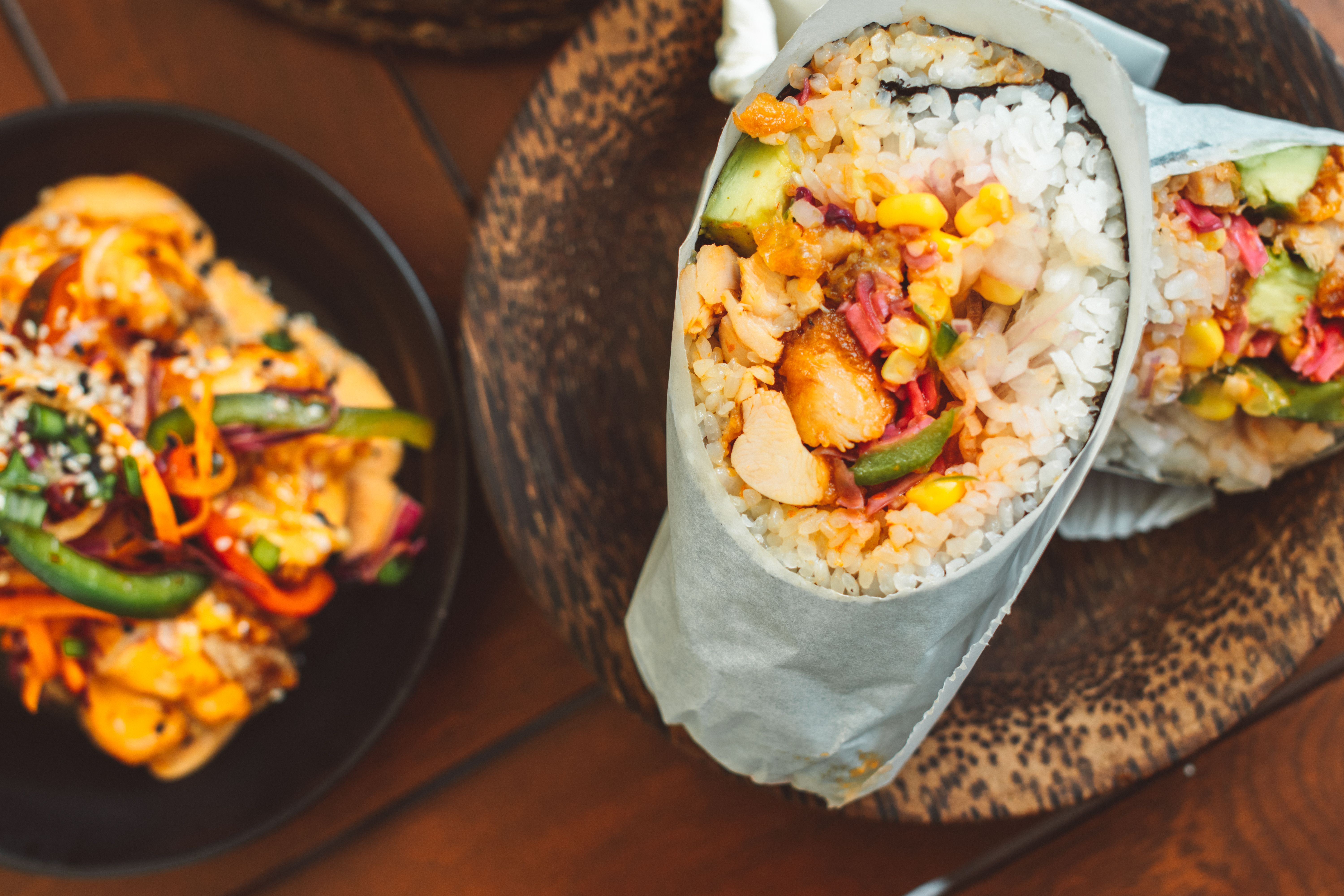
From nutrient-dense smaller meals to dessert-inspired drinks, thefoodpeople’s predictions for 2027 explore how changing consumer priorities are creating opportunities for food and drink innovation.
Introducing the trends, Charles Banks, CEO of thefoodpeople, identified an overarching driver: ‘Living by design’. Against a backdrop of environmental, political, economic, social and technological change, consumers are making more intentional food and drink choices to exercise a degree of control over everyday life.
For buyers attending IFE, part of Food, Drink & Hospitality Week, on 5-7 April 2027 at Excel London, these trends offer inspiration for discovering products and understanding the needs shaping tomorrow’s shelves.
Here are thefoodpeople's top trends:
1. The science of delicious
Understanding what makes food delicious is becoming an increasingly precise exercise. thefoodpeople describes chefs taking a more forensic approach to flavour, considering how taste, aroma, texture and presentation combine to shape the eating experience.
This can mean reducing unwanted flavour notes, bringing desirable ones forward or creating contrasts that make each mouthful more satisfying. As Banks explains: “People want value, nourishment and responsibility.”
The challenge is to deliver these qualities in products people actively enjoy eating. Nutritional credentials and a compelling provenance story can strengthen a proposition, but flavour remains central to making it a repeat purchase.
2. Small but mighty
Smaller appetites are prompting bigger questions about what each mouthful delivers. With GLP-1 medicines influencing conversations about food and portion size, thefoodpeople highlights a shift towards ‘nutrition per bite’.
The opportunity spans smaller meals, snacks and drinks that combine protein, fibre and wider nourishment with satisfying flavour and texture. Familiar favourites may be rebuilt to deliver more within a manageable portion.
“How do we deliver more nourishment within the appetite that’s available?” asks Banks.
This brings attention to purposeful formulations and appealing eating experiences. A smaller serving still needs to feel complete, enjoyable and worth choosing, with taste and texture giving consumers a reason to look forward to it.
3. Twisted faves
Familiar favourites offer fertile ground for innovation. Under ‘Twisted faves’, recognisable flavours are reinterpreted through different formats, culinary influences and eating occasions.
thefoodpeople points to examples such as pizza dogs, sushi pops and cheeseburger meatballs: products that retain the appeal of something shoppers know while giving them a fresh reason to try it.
“What can we creatively change to make a favourite really exciting again?” asks Banks.
This could mean moving a popular flavour into a snack, changing the format of a meal or introducing a familiar combination to another category. The strongest ideas preserve what consumers love while making the new version distinctive.
4. Tea & coffee+
Tea and coffee are becoming vehicles for discovery, with the boundaries between drinks, desserts and cocktails increasingly blurred.
Dessert flavours, whipped foams, chewy inclusions, fruit and layered textures create drinks with a sense of occasion. Meanwhile, brews such as hojicha, genmaicha and sobacha offer further scope to explore roasted, toasted and aromatic flavours.
“Indulgence is still part of the appeal but adventure and participation give the trend its energy,” says Banks.
The opportunity also extends into ready-to-drink products, concentrates and additions that help shoppers recreate café experiences at home.
5. Kid-fluence
Children are influential food consumers, with their own preferences and expanding culinary reference points. Exposure to global flavours and food culture is creating opportunities for products that invite younger shoppers to explore.
Making this work for families also means recognising the practical demands on parents.
“One household now has many needs, and many voices, and brands can help with simple choices like portioned sauces giving kids a choice while keeping preparation manageable,” says Banks.
Flexible meal components, approachable global flavours and opportunities to assemble or personalise food can bring children into the decision-making process. For retailers, the appeal lies in helping families accommodate different tastes within an achievable everyday meal.
6. Packaging 2.0
Packaging has a growing role in how consumers choose, use and enjoy food and drink. thefoodpeople argues that it deserves a place in the innovation brief from the outset.
Alongside reducing environmental impact, packaging can improve opening, resealing, portioning, portability and storage. Digital features can provide useful information about provenance, accessibility, reuse and recycling, while thoughtful design can make preparation and serving more engaging.
“The exciting brief is how much more can this pack do with less,” says Banks.
The pack’s contribution to everyday usefulness matters alongside its shelf appeal. Packaging that helps a product fit more easily into shoppers’ lives can become a meaningful part of its value.
7. Dairy & eggs
Everyday staples are finding fresh expression as consumers seek accessible ways to make familiar food feel special.
Cheese, butter and eggs offer versatility across cuisines, formats and occasions. thefoodpeople highlights aged and blue cheeses, cultured and flavoured butters, contrasting creamy and crisp textures, and eggs prepared with different regional techniques and seasonings.
Among the IFE exhibitors bringing this category to life is Neal’s Yard Dairy, whose range spans Cheddar, blue, soft, washed-rind and other cheese styles. Its Cheddar Selection explores the differences between cheeses including Hafod, Isle of Mull, Montgomery’s and Westcombe, demonstrating how much variety buyers can discover within a familiar staple.
These distinctions create opportunities to introduce shoppers to different producers, textures and flavour profiles, giving them achievable ways to elevate eating at home.
8. East & SE Asian
thefoodpeople predicts deeper exploration of East and Southeast Asian food, moving beyond established favourites towards regional dishes, distinctive pantry ingredients and different culinary traditions.
Its forecast includes Korean fermentation and comfort food, Japanese-inspired sociable eating, Thai regional sauces, and greater exploration of Vietnamese, Filipino, Malaysian and Indonesian cuisines, alongside Cambodian and Laotian cooking.
IFE exhibitor Manning Impex offers buyers a route into this diversity through its portfolio of Southeast Asian food brands. Its range includes cooking pastes, sauces, seasonings, noodles, snacks and other products from countries including Thailand, the Philippines, Singapore, Indonesia and Malaysia.
Familiar formats can provide an accessible introduction. Clearly named dishes, useful serving suggestions and explanations of ingredients can help shoppers explore with confidence, while preserving the character and origins of the food.
9. Calm and balanced
Feeling steady is becoming a more specific ambition within food and drink. thefoodpeople identifies interest in products and rituals associated with daytime composure, gentler energy, evening relaxation and rest.
The opportunity is closely tied to occasion: what consumers want from a daytime drink may differ from what they seek when winding down in the evening.
“The exciting potential is connecting a clearly understood need with a credible product,” says Banks.
Understandable ingredients, a defined place in consumers’ routines and evidence supporting any claims will help distinguish credible propositions in this space.
10. Mini & my way
Smaller formats also speak to a desire for flexibility, affordability, moderation and choice. ‘Mini & my way’ focuses on giving consumers more control over how much they buy, how they combine products and how they shape an eating occasion.
Individual portions, mini treats, tasting selections and build-your-own formats can accommodate different appetites and preferences. They can also make discovery more accessible, allowing shoppers to try several flavours or tailor a purchase to their budget.
IFE exhibitor Europastry’s Mini Dots Assortment brings together glazed, white chocolate drizzle and dark chocolate drizzle varieties in a smaller format. The range illustrates how miniature treats can combine portion choice with flavour variety, giving buyers scope to develop mixed selections and flexible serving options.
The challenge is to make personalisation easy, offering meaningful choice while keeping purchasing and preparation straightforward.
Powered by ideas at IFE 2027
Together, these predictions suggest that innovation in 2027 will depend on understanding the combinations consumers value: nourishment with enjoyment, familiarity with adventure, and convenience with greater personal control.
Isabelle McKeever, Event Manager at IFE, comments: “What stands out across these trends is how much opportunity there is to bring fresh thinking to familiar food and drink. Buyers are looking for products that understand their customers, whether that means a smaller format packed with flavour, a new take on an everyday favourite or an introduction to a regional cuisine.
“IFE brings buyers together with the people behind those ideas, giving them the chance to taste products, ask questions and explore how they could work for their business. With Food, Drink & Hospitality Week’s 2027 theme of ‘Powered by Ideas’, these trends provide plenty of inspiration for those conversations.”
Discover the ideas shaping the future of food and drink at IFE, taking place on 5-7 April 2027 at Excel London.