)
)

From viral gimmicks to lasting trends: What drives food-to-go NPD success?
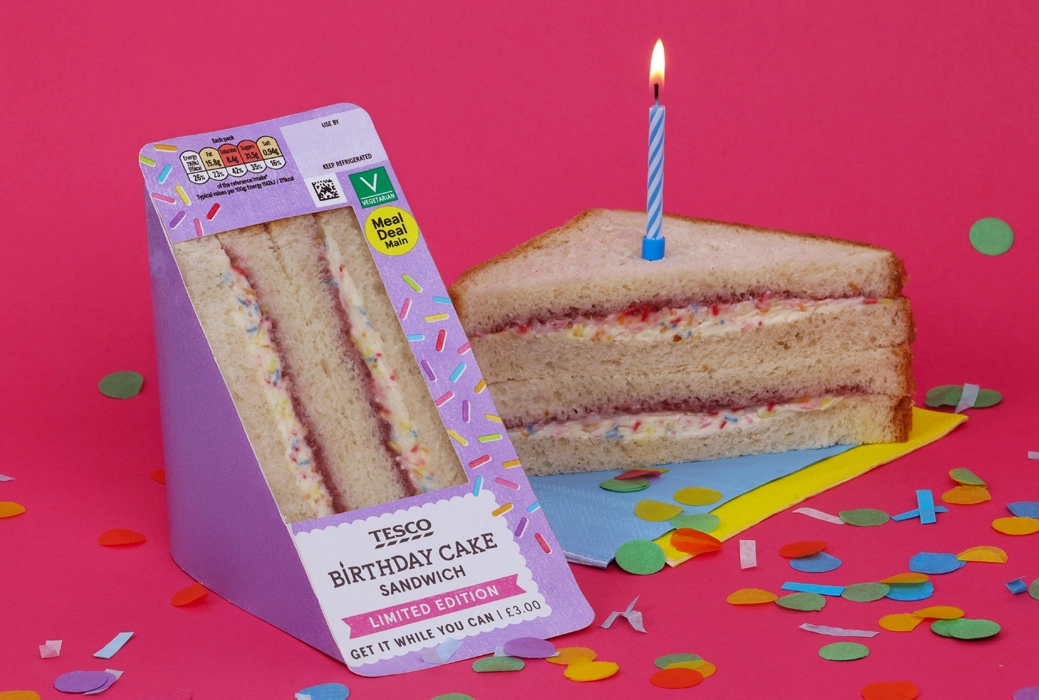
IFE Ambassador and Founder & Chief Coach of Buyerology Ltd Karen Green discusses how food-to-go has become a testing ground for bold new product development. From Tesco’s Birthday Cake Sandwich to Pret’s premium salad bowls, recent launches highlight the four key pillars of success (novelty, timing, collaboration, and trade-up) and reveal how retailers are keeping pace with consumer demand for something different.
'The Earl of Sandwich is rolling in his grave’ was the headline in the Guardian last month referring to the Tesco Birthday Cake sandwich.
An aberration, a great piece of NPD or a PR stunt?
Regardless, it was a brilliant product and real innovation in a fairly unsurprising world of sandwiches. But what ARE the key pillars of NPD success today especially in this fast-moving area, dominated and constrained by own label and meal deals?
1. Novelty: Creating Buzz and Curiosity
It started with Marks & Spencer’s Strawberry sando, a visually exciting piece of innovation inspired by Japanese sandos that got everyone talking. And then closely followed of course by the Tesco’s Birthday Cake Sandwich, created to celebrate 30 years of the Clubcard. The sweet brioche-style sarnie—filled with cream cheese frosting, jam and sprinkles—divided opinion but was innovative genius! Some praised it as fun and inventive, others called it sacrilege. But whether loved or loathed, it achieved the goal: people talked about it. Viral attention on social media transformed a limited-edition item into a marketing triumph, showing that novelty alone can earn disproportionate impact.
2. Timing: Tapping into the Moment
Even the best ideas risk falling flat, if launched at the time in the market lifespan.
In a previous role, I undertook a category review of sushi and we decided there was no place for Tesco Finest sushi as the sushi we had was good enough. Fast forward 10 years and with the advent of the Premium meal deal and the change in sushi tastes, the Tesco Finest Sushi range was launched with a combination of traditional sushi selections and modern volcano rolls.
But timing can also relate to picking the right moments – eg limited-edition food-to-go products to seasonal events eg football rolls, summer food events, or cultural milestones (aka the 30 year clubcard anniversary!)
By anchoring new product development to specific themes or opportunities, retailers increase the chances that shoppers will not only notice but also buy into the story.
3. Brand Collaborations
Iceland have lead the way in taking high street brands eg TFI and Harry Ramsdens and turning them into retail sales phenomenons. But food-to-go has also become a fertile ground for brand building with Sainsburys launching high street restaurant brands such as Too Too Moo and Coco di mama, The retailer is benefitting from fresh ideas, artisan cachet, and loyalty from consumers who recognise these brands from outside the supermarket. For the brands themselves, the collaboration represents scale and visibility they could not achieve alone.
4. Trade-Up: Elevating Everyday Choices
The four pillar is trade-up. Today’s consumers are prepared to spend more for better ingredients, bigger portions, and food aligned with their values.
Pret A Manger’s launch of its Super Plates—supersized, protein-rich bowls—coincided with heightened consumer interest in lighter meals, health resets, and warmer weather. And at up to £12.95, they were a bold step away from the normal £5-7 salad prices. The bowls are 60% larger than previous salads, packed with premium proteins like salmon, and marketed as substantial meal replacements rather than light bites.
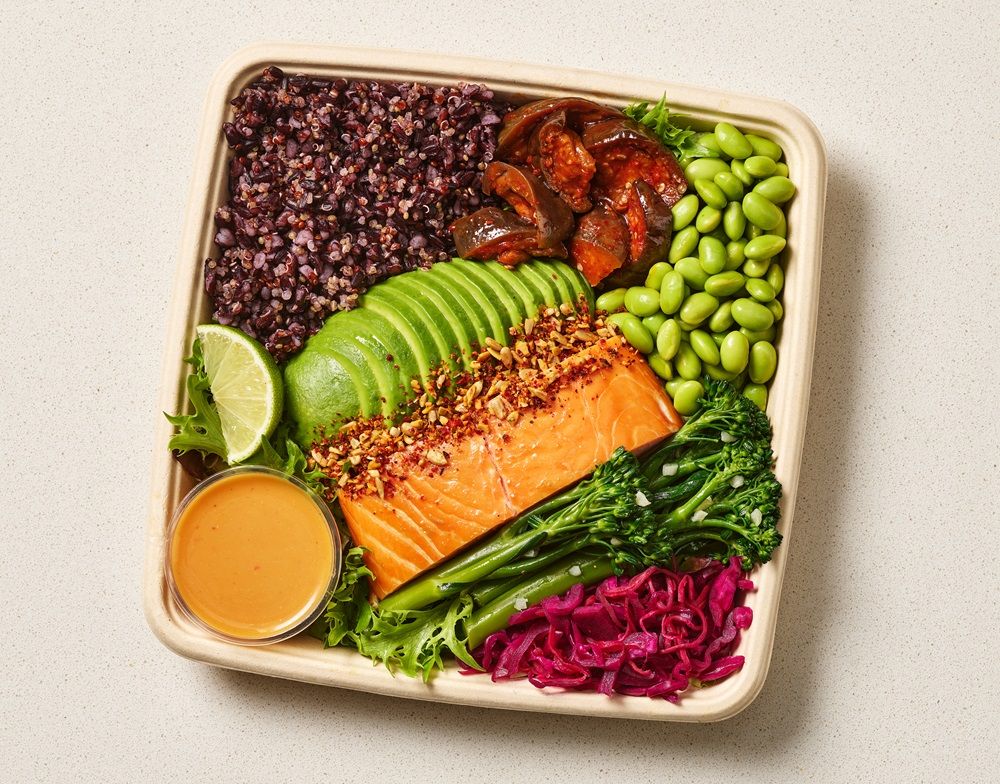
Reactions have been mixed: some celebrate the quality and portion size, others balk at the price. But they are still selling with the emphasis on quality, provenance, and the willingness to trade up for a better experience.
From Tesco’s playful cake sandwich to Pret’s premium salads, from M&S sandos to challenger brands finding their place in Sainsbury’s, these examples prove that food-to-go remains one of the most categories for innovation. And for retailers and brands alike, the challenge is clear: keep moving, keep surprising, and above all, keep feeding the nation’s insatiable appetite for something new.
To keep up with all the latest news, interviews and industry trends in the world of food & drink, subscribe to the IFE Newsletter.
)
)