)
)
)
What the 2026 FIFA World Cup means for food & drink
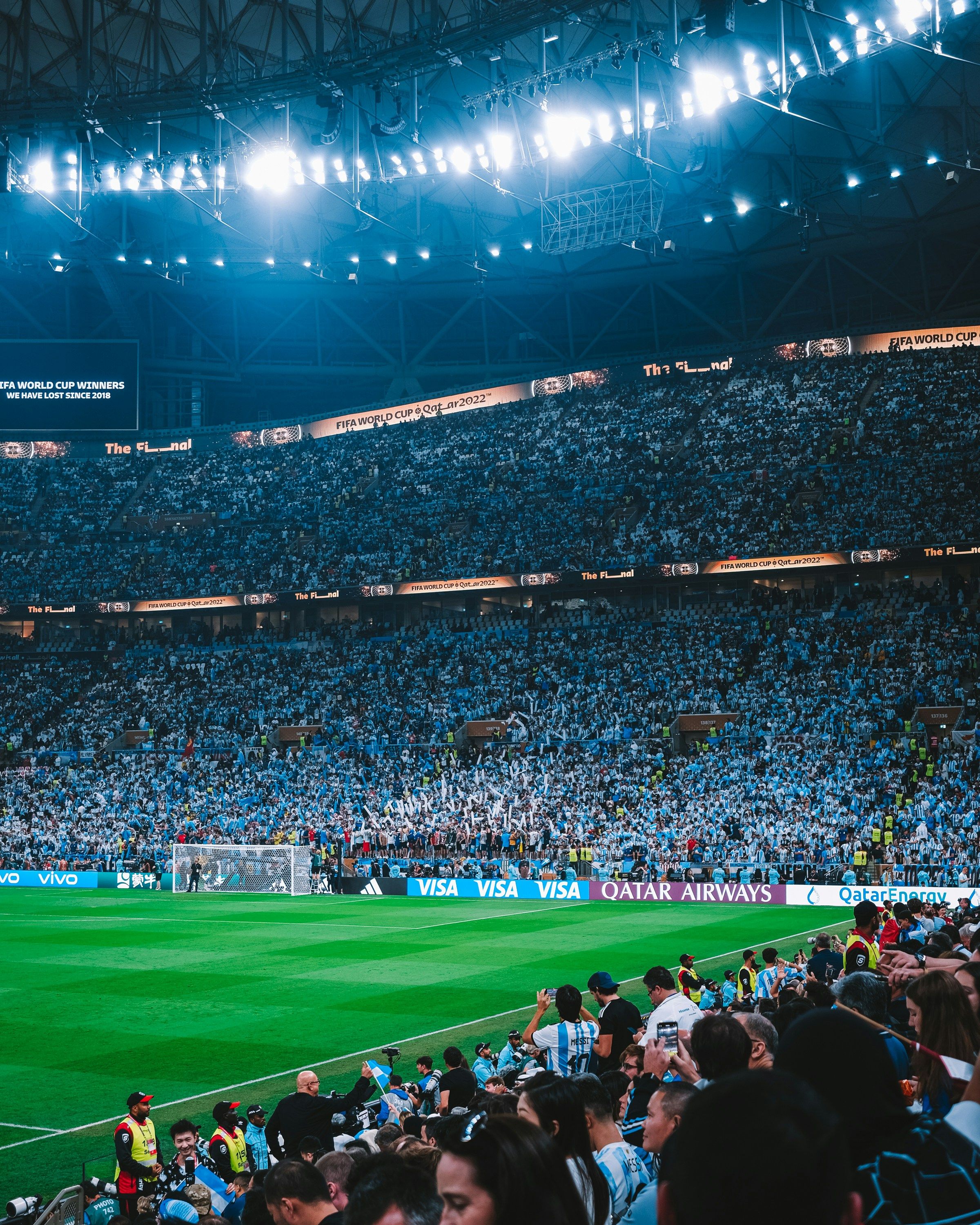
The 2026 FIFA World Cup is set to be the biggest in the tournament’s history. Expanded to 48 teams, spread across the United States, Canada and Mexico, and running for more than five weeks, it's a massive opportunity for the food & drink retail sector.
For the food and drink industry, the tournament represents a major commercial opportunity. Research from VoucherCodes, produced with data from GlobalData, forecasts UK consumer spending linked to the tournament will hit £3.8bn across retail and hospitality. Of that, food and drink spending alone is expected to account for almost £2bn in retail sales, while hospitality venues are forecast to generate a further £898m during the competition.
But beyond the headline figures, the 2026 tournament highlights wider shifts in consumer behaviour. From late-night eating habits and premium at-home viewing experiences to the continued rise of experiential hospitality and globally inspired menus, the World Cup increasingly acts as a live case study in how consumers want to eat and drink.
Football is driving food-first occasions
Traditionally, major football tournaments have been viewed as drinks-led events for pubs and bars. Beer remains central to the experience, with UK fans forecast to consume 58.5 million pints of beer and cider during the tournament. But the modern matchday experience has become increasingly food-led.
Consumers are no longer simply gathering for a pint and a packet of crisps. They are hosting watch parties, organising BBQs, ordering delivery food and turning fixtures into social occasions.
VoucherCodes forecasts UK shoppers will spend £1.95bn on food and drink during the World Cup, making it by far the largest retail category associated with the tournament. That reflects how football now sits within broader entertainment and hosting culture.
The timing of the 2026 World Cup could accelerate this even further. With matches taking place in North American time zones, UK kick-off times will stretch into late evenings and early mornings. That creates opportunities for:
-
Late-night food service
-
Extended hospitality trading hours
-
Delivery and takeaway growth
-
Convenience retail sales spikes
-
Breakfast and recovery occasions the following morning
The report forecasts an additional 5.2 million coffees and “hangover breakfasts” will be purchased during the competition, highlighting how tournament viewing habits extend well beyond the 90 minutes on screen.
At-home viewing continues to dominate
While pubs remain important, the biggest World Cup venue is still the living room.
More than 31 million people are expected to watch matches from home, compared with 12.4 million attending pubs, bars or hospitality venues. That shift has major implications for grocery, retail and foodservice operators.
Consumers are increasingly recreating hospitality experiences at home. The report predicts strong spending across:
-
BBQs and outdoor cooking equipment
-
Garden furniture
-
Projectors and televisions
-
Premium snacks and drinks
-
Sportswear and merchandise
For supermarkets and food brands, tournaments are no longer just about multibuy beer promotions. They are opportunities to own the full hosting occasion.
That means retailers can capitalise through:
-
Bundled meal-and-drink offers
-
World Cup-themed sharing formats
-
Premium snacking ranges
-
BBQ and outdoor dining promotions
-
Delivery partnerships
-
Meal kits inspired by host nations
Consumers increasingly expect convenience and experience simultaneously. The brands that perform best are likely to be those that help shoppers turn matches into events.
Mexican and American flavours are set to benefit
One of the most interesting findings in the VoucherCodes research is the expected influence of host nation cuisines.
More than a third of fans say they plan to try food inspired by the host countries during the tournament, with American food expected to be the most popular, followed by Mexican dishes.
That creates a natural platform for:
-
Tex-Mex menus
-
Loaded fries and burgers
-
Tacos and sharing plates
-
Smokehouse and BBQ concepts
-
US-style sports bar food
-
Premium fast casual formats
The timing is significant because North American flavours are already deeply embedded in UK hospitality, particularly among younger consumers.
Mexican cuisine continues to grow across both retail and foodservice, fuelled by demand for bold flavours, customisable formats and sharing dishes. Meanwhile, American comfort food and BBQ culture remain highly social dining occasions that fit naturally with live sport viewing.
For operators, the World Cup offers a culturally relevant hook to spotlight these cuisines without forcing unfamiliarity onto consumers.
Hospitality venues face a balancing act
Pubs and bars are expected to see a substantial boost during the tournament, particularly if England progress into the latter stages.
The Group Stage alone is forecast to generate £375.5m in hospitality spending, while the semi-finals are expected to attract the highest number of hospitality viewers.
However, the tournament also presents operational challenges.
Late kick-off times could put pressure on staffing, security and licensing. Extended opening hours may increase spend per head, but they also raise labour costs and operational complexity.
There is also increasing competition from at-home viewing. Consumers now have access to larger televisions, improved streaming quality and delivery services that reduce the need to watch games in crowded venues.
As a result, hospitality operators increasingly need to offer something consumers cannot recreate at home:
-
Atmosphere
-
Community viewing
-
Premium screens and sound systems
-
Curated food and drink packages
-
Outdoor fan-zone style experiences
-
Experiential activations
This is particularly relevant following the success of experiential sports venues and social entertainment concepts in recent years.
The World Cup is no longer simply about showing the match. It is about building a full social occasion around it.
Younger consumers are changing matchday behaviour
One of the clearest trends within the research is the growing engagement of younger audiences and female viewers.
Interest among women has increased significantly, helped partly by the growth of women’s football in the UK. Meanwhile, younger age groups report higher levels of interest in the 2026 tournament than in the 2022 World Cup.
This matters because younger consumers tend to approach live sport differently from older audiences.
They are:
-
More likely to prioritise social experiences
-
More engaged with food trends
-
More open to global cuisines
-
More likely to share experiences online
-
More interested in premium casual dining
-
More likely to blend sport with broader entertainment occasions
That influences everything from menu design to drinks strategy.
Consumers increasingly expect:
-
Shareable dishes
-
Instagrammable presentation
-
Craft and premium drinks
-
Frozen cocktails and spritzes
-
Flexible dining formats
-
Fast service without sacrificing quality
The rise of women’s football has also widened football’s audience profile overall, creating a more diverse consumer base than previous tournaments.
Retailers will benefit from emotional spending
Major sporting events consistently trigger emotionally driven purchasing behaviour.
Consumers buy because they want to participate in the moment, not necessarily because they need the product.
That explains why spending is forecast across categories ranging from electricals and sportswear to garden furniture and BBQ equipment.
It also explains why premiumisation often increases during tournaments.
Consumers may trade down in some areas of daily life, but major events create permission to indulge. Hosting friends for England matches, upgrading a television before the tournament or purchasing premium food and drink becomes emotionally justifiable because the occasion feels special.
For food and drink brands, this creates opportunities to:
-
Launch limited-edition products
-
Build event-led campaigns
-
Create sharing-focused packaging
-
Introduce premium bundles
-
Use football as a social rather than purely sporting marketing platform
The emotional connection to football remains commercially powerful.
The World Cup increasingly shapes food trends
Major sporting events often act as accelerators for wider consumer trends already happening in the market.
The 2026 World Cup reinforces several that are already reshaping food and drink:
1. Experience-first consumptionConsumers increasingly spend on experiences rather than products alone. Matchday food and drink now sits within a wider social event.
2. Premium at-home entertainingConsumers continue investing in better home hosting experiences, blurring the line between retail and hospitality.
3. Global flavour explorationInternational tournaments encourage experimentation with cuisines connected to host nations.
4. Flexible eating occasionsLate-night matches, breakfast recovery occasions and grazing formats show how eating patterns continue to fragment.
5. Food as part of fandomFood and drink are becoming part of sports identity and participation, not simply an accompaniment.
A tournament built for food and drink
The 2026 FIFA World Cup may be remembered for its expanded format and North American setting, but commercially it could also become one of the biggest food and drink events of the decade.
For retailers, pubs, restaurants and brands, the opportunity goes far beyond football itself.
The tournament will drive:
-
Large-scale retail food and drink spending
-
Increased hospitality footfall
-
Demand for premium hosting experiences
-
Growth in globally inspired menus
-
More experiential sports viewing occasions
-
Late-night and flexible consumption patterns
The 2026 World Cup won’t just be played in stadiums. It’ll play out in pubs, kitchens, beer gardens and living rooms too, and that’s where much of the opportunity for food and drink businesses now sits.
)
)
)
)
)
)

)