)
)
)
Could the 2026 World Cup be a game-changing opportunity for low and no-alcohol brands?
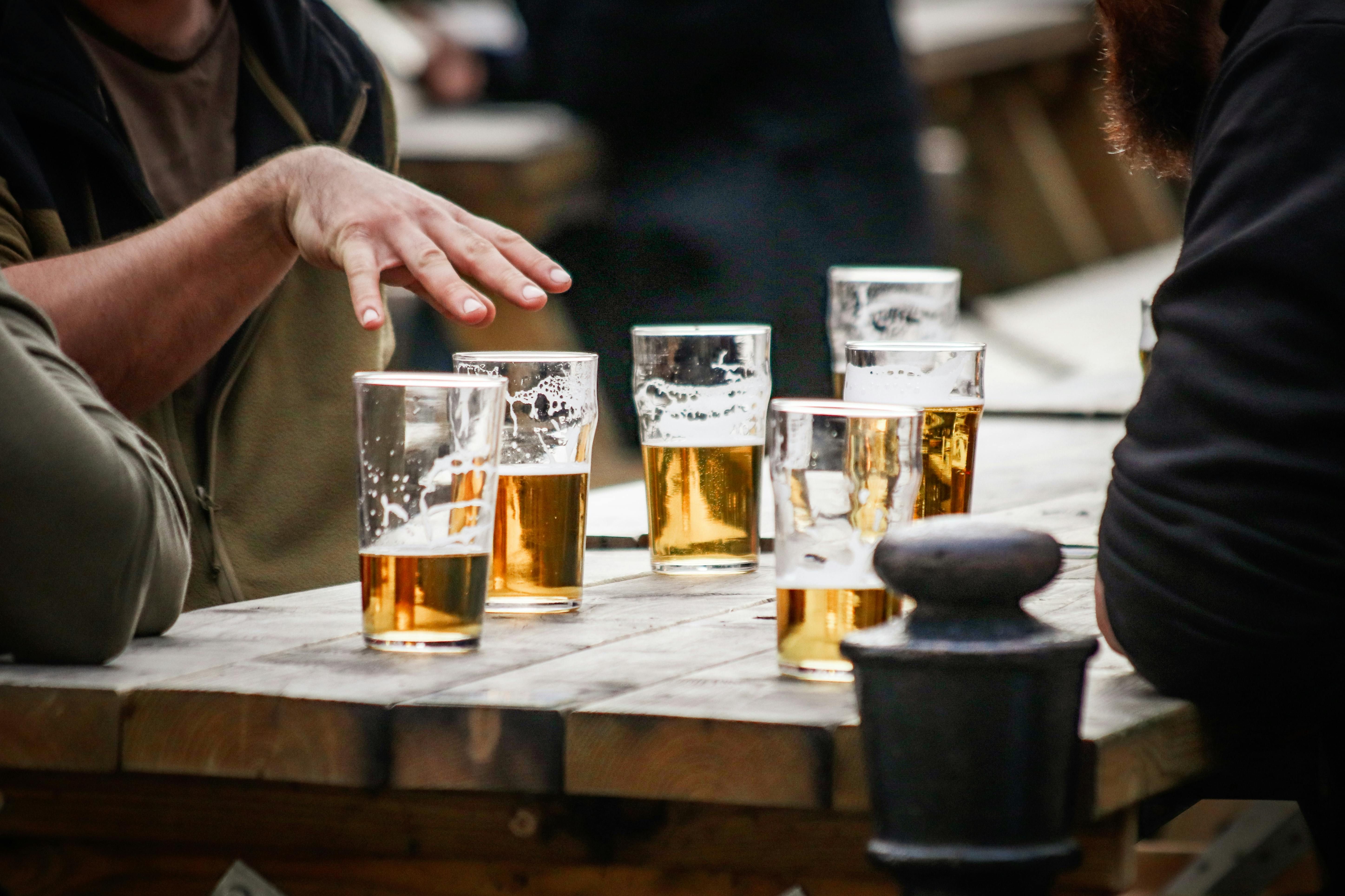
Major sporting tournaments have long been associated with alcohol sales, from pub screenings packed with football fans to supermarket promotions built around multipacks of beer. But as drinking habits continue to evolve, the 2026 FIFA World Cup could become a defining moment for the UK’s growing low and no-alcohol category.
With more consumers actively moderating their alcohol consumption and expecting greater choice when socialising, retailers, pubs, bars and hospitality operators have an opportunity to rethink how they approach drinks promotions during one of the biggest sporting events in the world.
A category moving into the mainstream
The UK's low and no-alcohol market has moved well beyond niche status. According to Drinkaware, 44% of UK drinkers now moderate their alcohol intake using alcohol-free or low-alcohol drinks, up from 31% in 2018. Use of alcohol-free products alone has risen from 18% to 31% during the same period.
Meanwhile, Mintel reports that 53% of UK adults consumed a low or no-alcohol beer, wine, cider, spirit or cocktail in the past 12 months, highlighting how moderation is becoming embedded in mainstream consumer behaviour.
Growth is particularly strong in alcohol-free beer. IWSR data shows no-alcohol beer volumes in the UK grew by 20% in 2024 compared with 2023 and now account for more than 2% of the country's total beverage alcohol market. The category is forecast to continue growing through to 2028.
The trend has become so significant that alcohol-free beer was added to the UK's official inflation basket by the Office for National Statistics in 2026, reflecting rising sales and increasing shelf space across retailers.
The World Cup effect
The 2026 tournament, which will be hosted across the United States, Canada and Mexico, is expected to generate huge viewing audiences in the UK despite the time difference. As football fans gather in pubs, bars, fan zones and homes to watch matches, the event presents a major sales opportunity across drinks categories.
However, today's sporting audiences are increasingly diverse. Alongside traditional beer drinkers are consumers who are choosing to moderate, avoid alcohol entirely, drive to venues, focus on wellness goals or simply want more options throughout a long viewing session.
For brands and operators, that means success may depend less on simply offering an alcohol-free alternative and more on creating genuinely inclusive drinking occasions.
Laura Willoughby MBE, founder of mindful drinking movement Club Soda, believes visibility will be critical.
"Retailers and venues that create equal visibility and value across their drinks range during major sporting events will build stronger loyalty and increase spend. Everyone wants to feel included in big shared moments like these. If promotions only focus on alcoholic beer, while alcohol-free options are sidelined or ignored, it sends a clear message that moderating or non-drinking customers matter less.
"Today's consumers expect parity. They want the same atmosphere, same sense of occasion, and same value, regardless of what's in their glass. And they are increasingly vocal when they don't see it, both online and with their spending habits.
"The opportunity here is commercial as much as cultural. Customers who feel catered for stay longer, return more often, and are more likely to spend across the whole occasion. Retailers and operators who treat alcohol-free with the same energy and visibility as full-strength drinks will be the ones who win loyalty as drinking habits continue to evolve."
Beyond Dry January
One of the biggest shifts in recent years has been the move away from viewing moderation as a seasonal behaviour.
Research from Drinkaware found that younger consumers are leading the trend, with uptake of alcohol-free and low-alcohol drinks among 18-34-year-olds rising from 28% in 2018 to 49% in 2025.
At the same time, many consumers are choosing low and no-alcohol products alongside traditional alcoholic drinks rather than replacing them completely. This creates opportunities for retailers and hospitality operators to increase basket spend by catering to a wider range of drinking occasions throughout the day.
For World Cup viewing occasions, this could mean consumers alternating between alcoholic and alcohol-free drinks during a match, choosing moderation during midweek fixtures, or opting for alcohol-free products when attending family-friendly screenings.
What brands should be thinking about
The World Cup provides a valuable platform for low and no-alcohol brands to showcase how far the category has evolved in terms of quality, flavour and occasion relevance.
Equal promotional visibility, dedicated match-day activations, sampling opportunities and premium alcohol-free serves could all help brands capture consumers who increasingly expect choice without compromise.
For retailers, there is also a growing expectation that low and no-alcohol products should sit alongside their full-strength counterparts rather than being separated into a niche category. Visibility remains one of the biggest barriers to growth, according to Drinkaware's research.
As brands prepare for one of the biggest global sporting events of the decade, the winners may not simply be those with the biggest advertising budgets. They could be the businesses that recognise that today's football audience is more diverse than ever before — and that inclusion has become a powerful commercial strategy.
With moderation becoming increasingly mainstream, the 2026 World Cup could prove to be a landmark moment for low and no-alcohol drinks in the UK.
)
)
)
)
)
)
)