)
)
)
The 2026 World Cup: A major opportunity for F&B licensing
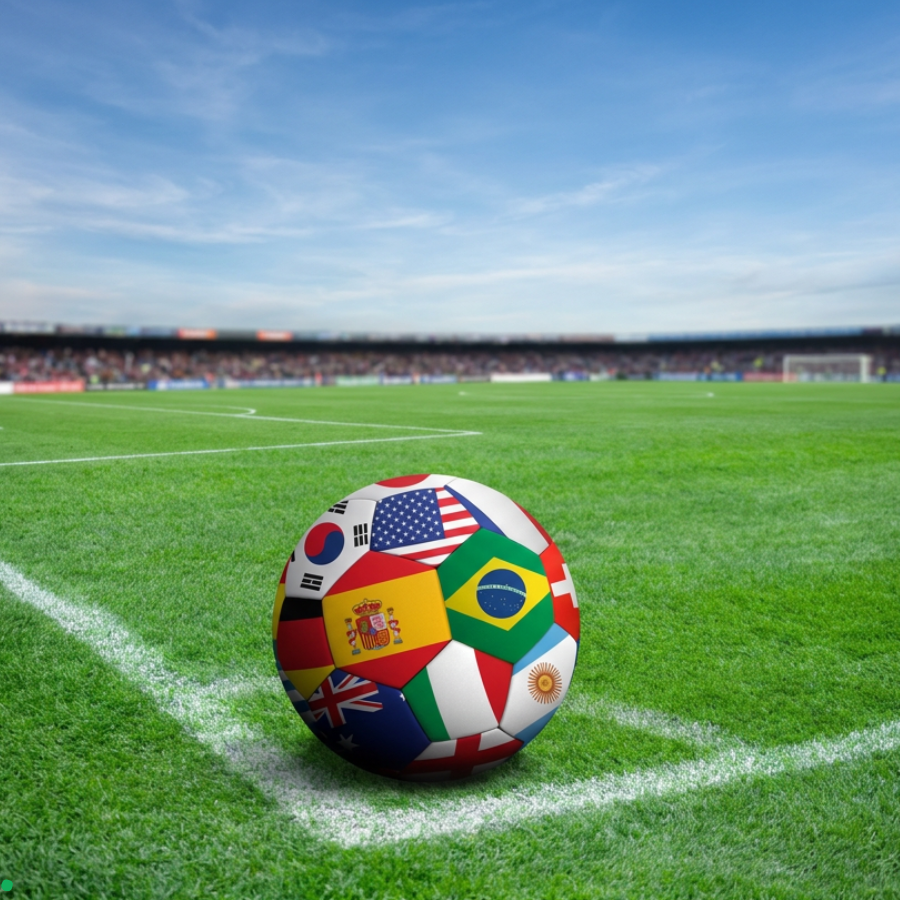
Oliver Gilding, Sales & Licensing Director at Food Brands Now, discusses the F&B licensing trends and opportunities presented by this year's World Cup.
Tell us a bit about your career and background
I’ve spent the last few years building licensed food and drink ranges that actually work in retail first at Iceland Foods, and now through Food Brands Now, which I set up as a specialist food licensing business.
Across that time, I’ve been fortunate to be involved with the launches of 100s products with everyone from global brands to challengers. The focus has always been the same: turning brand equity into something great tasting, delights customers, commercially credible and not just a novelty on shelf. At its best, licensing isn’t just an add on but when product innovation, brand and retail strategy all work together.

How can smaller brands compete during something like the World Cup?
The smart play is to focus on the occasion, not the event. The World Cup is about sharing, hosting, and social moments. If you design your product around those, you’re already winning.
Smaller brands also have an edge on speed and agility. Big sponsors plan years in advance. Challengers can react in real-time, stay culturally relevant, and move where the conversation is.
And crucially own a niche. Don’t try to outshout global brands try to out position and disrupt them.
What partnerships or trends are standing out so far?
There’s a huge amount of activity, particularly in snacking and beverages, with everything from global flavours to player led packaging.
But the real shift is beyond the product. The best activations now link retail, social, and in-home consumption into one joined-up campaign.
Is there still room for healthier brands?
Definitely and probably more than ever. Consumers still want indulgence during big events, but they also want balance. That’s creating space for protein, fibre, functional drinks and better for you snacks.
The key is positioning. “Healthy” can’t feel like a compromise.
Which categories will win commercially?
A few clear standouts:
- Snacking & sharing – still the core of the occasion
- Alcohol & RTDs – massive relevance over a month-long event window
- Convenience & meal solutions – built around at-home viewing
- Protein & functional – fast-growing with younger consumers
- Frozen – increasingly strong due to ease, quality and versatility
The winners won’t just be in the right category; they’ll understand how they fit into the occasion.
How has frozen evolved and why does it matter for licensing?
Frozen has had a complete reset and moved from value-led to quality, convenience and premiumisation, driven by changing shopper habits and innovation.
That makes it perfect for licensing:
- It delivers restaurant style experiences at home
- It fits naturally into event-driven occasions
- It’s built for impulse and sharing missions
It’s one of the most exciting spaces right now.
How important are licensing partnerships for retailers during major events?
They’re one of the most effective tools retailers have.
Licensed products bring emotion, relevance and differentiation things own label can’t replicate. They also drive footfall, engagement and spend, especially when linked to cultural moments.
During events like the World Cup, when the right products are launched, they give retailers a real opportunity to stand out.
What separates a great partnership from a gimmick?
Authenticity.
The best partnerships feel obvious the product makes sense, the brand fit is credible, and the quality delivers.
The weak ones rely on a logo and a headline. Consumers see through that quickly and they don’t come back.
How important is speed and social relevance?
It’s critical. Food trends now move at the pace of social media, and around half of consumers say social content influences what they buy.
That means the requirement for faster launches, more reactive campaigns and content that lives well beyond the shelf.
Looking ahead, what trends will shape licensing?
A few big shifts:
- Experience over product — more immersive, shareable activations & products
- Faster cycles — more limited drops, quicker turnarounds
- Health + indulgence merging — without compromise on flavour, healthier products can taste great!
- Retail integration — licensing becoming core to strategy
- Content-first launches — social driving scale and sell-through
Ultimately, licensing is becoming less about “brand stamping a product” and more about creating moments that consumers want to be part of and disrupts the shelves.
Stay up to date with all the latest industry news by signing up to the IFE newsletter.
)
)
)
)
)
)
)