)
)
)
NielsenIQ: More than 75% of World Cup fans planning watch parties ahead of 2026 tournament
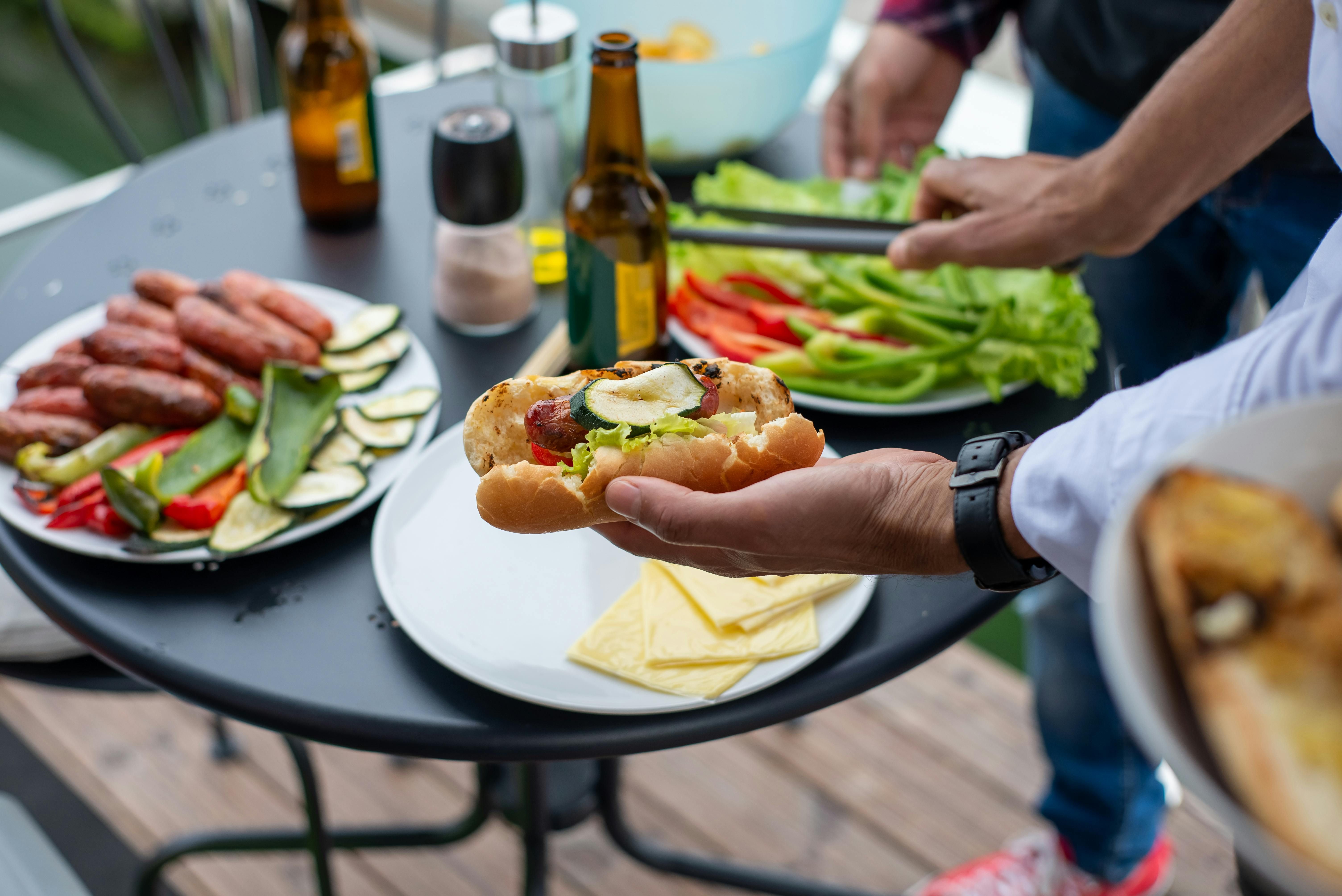
Retailers are set to benefit from a major uplift in food and drink spending during the 2026 FIFA World Cup, as new NielsenIQ (NIQ) research reveals more than 75% of fans are planning watch parties during the tournament.
The insight forms part of wider analysis exploring how the expanded 2026 FIFA World Cup is expected to reshape consumer spending habits across food retail, convenience and hospitality.
Hosted across the United States, Canada and Mexico, the 2026 tournament will be the largest FIFA World Cup in history, featuring 48 teams and more than five weeks of matches. According to NielsenIQ, the event is expected to create significant shifts in how consumers shop, socialise and engage with brands around live sport.
NIQ’s pre-tournament research found that 76% of US viewers and 80% of Canadian viewers are planning World Cup watch parties, highlighting the scale of at-home social occasions expected during the competition.
The findings align with broader expectations that the tournament will drive substantial demand across categories including beer, snacks, soft drinks, takeaway food, BBQ products and globally inspired meal occasions.
The accompanying feature article, What the 2026 FIFA World Cup Means for Food & Drink, explores how retailers can capitalise on these changing viewing habits, particularly as consumers increasingly recreate hospitality-style experiences at home.
The article highlights opportunities across:
-
Sharing and snacking formats
-
Premium at-home entertaining
-
Meal deals and bundled promotions
-
Mexican and American-inspired products
-
BBQ and summer dining ranges
-
Convenience and late-night consumption occasions
The tournament’s North American location is also expected to influence flavour trends throughout the summer, with Mexican and American-inspired food likely to see increased demand as consumers embrace host nation cuisines during watch parties and social gatherings.
NielsenIQ’s research additionally found that more than 40% of American viewers plan to watch matches in hospitality venues, while up to 85% of consumers say World Cup sponsorship activity could influence purchasing behaviour or brand engagement.
Isabelle McKeever, Event Manager for IFE, comments: “The World Cup has become a major retail moment as much as a sporting one. Consumers are increasingly building social occasions around matches, whether that’s hosting at home, shopping for sharing food and drink, or looking for products that help recreate the atmosphere of watching live sport together.
“What’s particularly interesting is how food and drink purchasing is becoming tied to the overall experience. Retailers now have opportunities not just around convenience and promotions, but around premium hosting, global flavours and event-led shopping behaviour.”
The feature also explores how younger consumers are reshaping matchday food and drink habits, with social viewing, globally inspired menus and experiential occasions becoming increasingly important across both retail and hospitality.
)
)
)
)
)
)
)